
Photo: andrs-off / Pixabay
Age: a definition
In everyday use, age is the length of time a person — or an animal, object or star — has existed. For people it is measured from the date of birth and written in completed years: you are 30 until the day you turn 31. Babies are the exception, with age given in weeks and months because they change so quickly.
Chronological age
Chronological age is calendar time since birth, counted in years, months and days. It is exact, it is the same for everyone born on the same day, and it is the age used on passports, school records and forms. An age calculator measures this kind of age.

Biological age
Biological age is an estimate of how far the body has aged. People of the same chronological age can differ a lot, depending on genes, lifestyle and health. The best-known tools are “epigenetic clocks”, which read chemical marks (methylation) on DNA. In 2013 Steve Horvath published a clock based on 353 such sites that predicted chronological age with a median error of about 3.6 years across many tissues. A biological age above your chronological age is linked in research to higher health risks, but clocks differ from each other and commercial tests are not a diagnosis.
Bone age and dental age
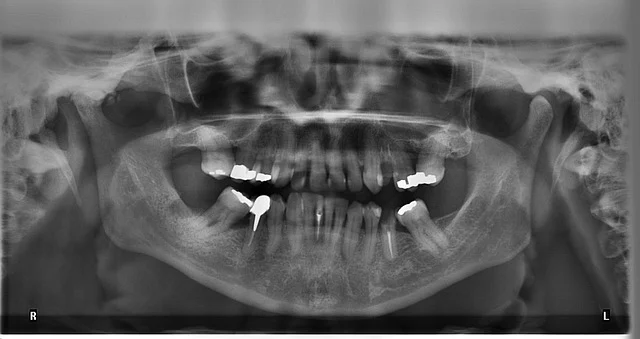
Doctors can estimate bone age from an X-ray of the left hand and wrist, comparing the growth plates with reference images. It helps paediatricians judge whether a child is growing early or late. Dental age does the same from tooth development. Both give a range rather than an exact age.
Mental age
The idea of mental age comes from Alfred Binet’s intelligence tests in early 20th-century France: a child who performs like a typical eight-year-old has a mental age of eight. Early IQ scores divided mental age by chronological age and multiplied by 100. Modern tests compare people with others of the same chronological age instead — which is why test reports state the chronological age so precisely.
Gestational and corrected age
Before birth, pregnancy length is counted as gestational age in weeks. For babies born early, doctors use corrected age — age since birth minus the weeks born early — when judging development, usually until about age two. The baby age calculator works out both. Growth charts such as the World Health Organization’s standards, which cover birth to five years, are read against age in months.

Legal age
Laws attach rights and duties to ages: the age of majority (18 in most countries; Japan lowered it from 20 to 18 in April 2022), and separate minimum ages for driving, voting, marriage, work and buying alcohol, which vary by country. These almost always use chronological age on a specific date — use when will I turn… to find yours.
Other ways of counting
Some cultures count age differently. In the traditional East Asian system a baby is 1 at birth and everyone gains a year at the New Year; South Korea switched to international age for official use in June 2023. See Korean age and other systems. Psychologists also talk about subjective age — how old you feel — which for many adults is younger than their real age.

| Kind of age | What it measures | Who uses it |
|---|---|---|
| Chronological | Time since birth | Everyone, official records |
| Biological | How far the body has aged | Researchers, some clinics |
| Bone / dental | Skeletal or tooth development | Paediatricians, dentists |
| Mental | Test performance compared with age groups | Psychologists (historically) |
| Gestational / corrected | Pregnancy weeks; age adjusted for early birth | Obstetricians, paediatricians |
| Legal | Chronological age on a set date | Courts, governments |
Calculating Chronological Age Manually
You can calculate chronological age with simple arithmetic. First, note the birth date: year, month, and day. Next, write down the current date, using the same format. Subtract the birth year from the current year to find the difference. Then, compare the birth month and day to the current month and day. If the current month and day are earlier than the birth month and day, you have not yet completed that year of life. Therefore, you must subtract one year from the initial year difference. Finally, calculate the remaining months and days. This method ensures accuracy for exact age.
For example, a person born on May 15th will turn a new chronological age on May 15th. Before that date, their age is still based on the previous year. This careful counting prevents common errors. The process always focuses on completed units of time. Therefore, you only add a full year once the exact birth day has passed in the current calendar year. This approach helps you determine a person's precise age.
Interpreting Biological Age Test Results
Biological age estimates offer insights into your body's cellular health. These tests do not provide a medical diagnosis. Instead, they indicate how your body's aging markers compare to others of the same chronological age. A result showing a biological age lower than your chronological age suggests slower cellular aging. Conversely, a higher biological age might suggest faster cellular aging. Many factors influence these results. Genes, diet, exercise, and stress all play a role. Therefore, lifestyle changes can potentially impact future biological age measurements. It is important to view these results as a snapshot. They are a tool for understanding health trends, not a definitive health verdict. Discuss any concerns with a healthcare professional. They can offer personalized advice based on a holistic view of your health.
Frequently asked questions
What is the difference between chronological and biological age?
Chronological age is the time since birth and is the same for everyone born on the same day. Biological age estimates how far the body has aged, from markers such as DNA methylation, and can be higher or lower than chronological age.
Which age is used on official documents?
Chronological age, counted from the date of birth — the number an age calculator gives.
Is mental age still used?
Rarely in its original form. Modern IQ tests compare a person with others of the same chronological age instead of dividing mental age by chronological age.
What is the age of majority?
The age at which someone becomes a legal adult. It is 18 in most countries; Japan lowered it from 20 to 18 in April 2022.
Sources
- Horvath S. – DNA methylation age of human tissues and cell types, Genome Biology (2013)
- World Health Organization – Child growth standards (birth to 5 years)
- HealthyChildren.org (American Academy of Pediatrics) – Corrected age for preemies
- KTVU / FOX – ‘Korean age’ abolished: how South Koreans became younger overnight (June 2023)