In this article
- Work out your horse's age in human years, months, and days
- Typical lifespans
- The simple “share of lifespan” method
- Horses
- Rabbits and guinea pigs
- Birds
- Signs of ageing to watch
- Estimating a rescue animal’s age
- Care by life stage
- Record-breaking ages
- Why small animals age faster
- Keeping track
- Frequently asked questions
- Sources
A 20-year-old horse is about 55–60 in human terms, and a 5-year-old rabbit is roughly 40, using a method that compares an animal’s age to its typical lifespan. There is no official chart for most animals, except dogs and cats, so this simple comparison helps estimate their age in human years.
This method works well for adult animals. Young animals, however, mature faster in their first year or two, meaning they are ‘older’ than this simple method suggests. This article details typical lifespans for horses, rabbits, guinea pigs, and birds, and covers signs of aging, care by life stage, and estimating ages for rescue animals.
Work out your horse's age in human years, months, and days
Veterinarians and pet care guides often use an animal’s exact age in months and days. This precision helps tailor feeding, vaccinations, and health checks to their specific developmental stage. Use the below tool for horse age in human years to calculate your pet’s current age.
Typical lifespans
| Animal | Typical lifespan | Adult by about | Roughly “middle-aged” at |
|---|---|---|---|
| Horse | 25–30 years | 4–5 years | 12–16 years |
| Pony | Often 30+ years | 4–5 years | 15–18 years |
| Rabbit | 8–12 years | 6–9 months | 4–5 years |
| Guinea pig | 5–7 years | 3–4 months | 3 years |
| Hamster | 2–3 years | 2–3 months | 1 year |
| Budgie | 5–10 years | 6 months | 4–5 years |
| Parrot (large) | 40–60+ years, species-dependent | 2–5 years | 20–30 years |
Lifespans are typical ranges from veterinary and animal-welfare organisations; individual animals vary with breed, diet, housing and care. These factors can significantly extend or shorten a pet’s life. For example, specific breeds of horses or rabbits may have slightly different average lifespans, and indoor pets generally live longer than outdoor ones due to reduced exposure to predators, disease, and environmental hazards.
The simple “share of lifespan” method
You can estimate your pet’s age in human years using a straightforward two-step calculation. This method assumes a proportional relationship between an animal’s lifespan and a typical human lifespan, which we set at 80 years for consistency.
- Find the animal’s share of its lifespan: Divide the animal’s current age by its typical maximum lifespan.
- Convert to human years: Multiply that share by 80 (representing an average human lifespan).
For example, a 6-year-old rabbit with a 10-year lifespan is 6 ÷ 10 = 0.6. Then, multiply 0.6 × 80 ≈ 48 in human terms. A 20-year-old horse with a 28-year lifespan is 20 ÷ 28 ≈ 0.714. Multiply 0.714 × 80 ≈ 57.
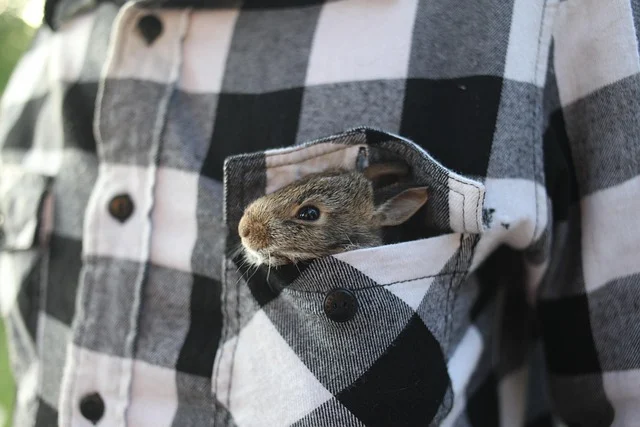
This method works best for adult animals. It significantly underestimates young animals because most species experience rapid growth and maturation in their first year or two. For instance, a 1-year-old rabbit is fully grown and sexually mature, equivalent to a young adult. The formula for horse age in human years, however, would only give it the human age of an 8-year-old child (1 ÷ 10 × 80 = 8). Official dog and cat age charts account for this by assigning a much larger human-age equivalent to their first year or two of life. See the dog age calculator and the cat age calculator for examples of these more complex calculations.
When this method is less suitable
Avoid this simple share-of-lifespan method for very young animals (under one year for most small pets, under 4-5 years for horses). Their developmental stages are too compressed to be accurately represented by a linear calculation of horse age in human years. Also, it does not account for breed-specific differences within a species, which can influence lifespan and maturation rates.
Horses
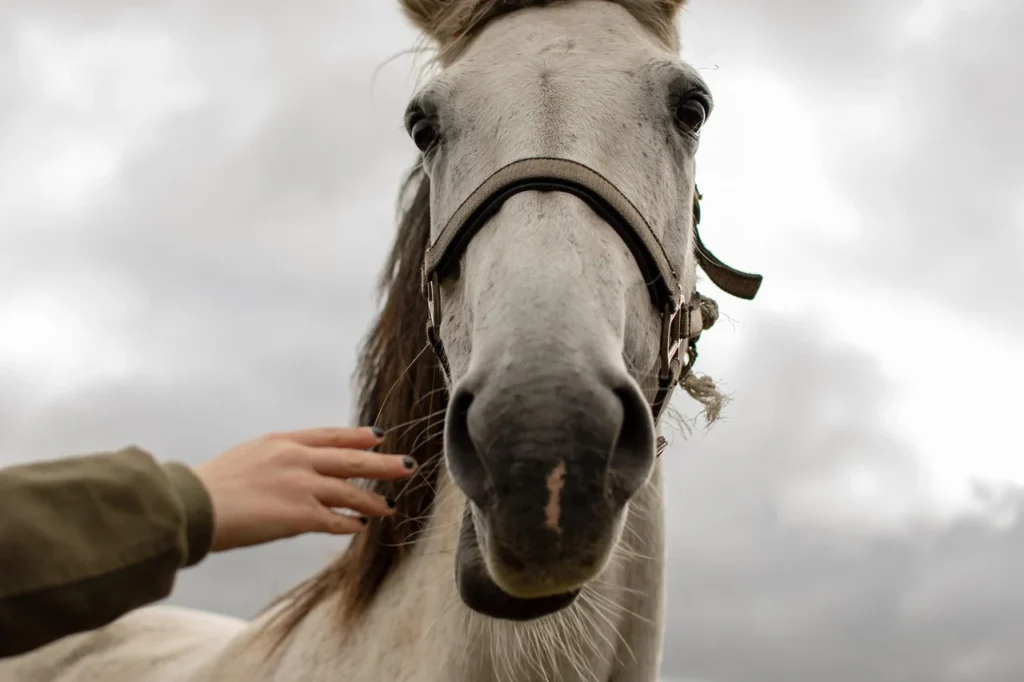
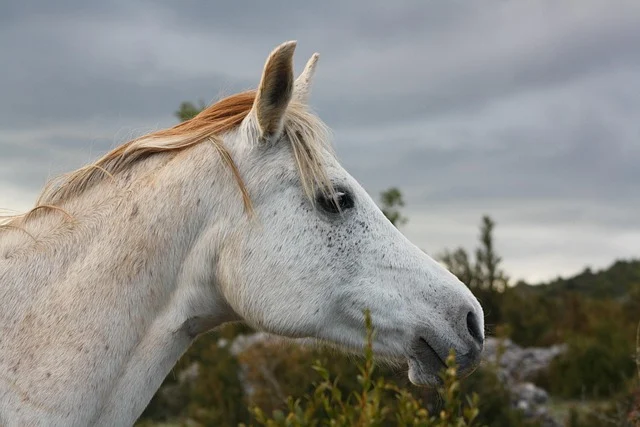
Horses become adults around 4 or 5 years of age, when their skeletons fully mature. You can consider them “senior” in their mid-to-late teens. Despite this, many horses, especially ponies and well-cared-for individuals, stay active into their twenties and even beyond. Ponies often outlive larger horse breeds, sometimes reaching 30 years or more; this affects horse age in human years.
For young horses, the linear “share of lifespan” method is inaccurate. A 1-year-old horse, for example, is more like 6 human years, while a 3-year-old is roughly 18. This rapid early development means they reach adolescence and young adulthood much faster. After they reach maturity (around 4-5 years), you can generally add 2.5 to 3 human years for every horse year. For example, a 10-year-old horse (assuming adult at 4, so 6 adult horse years) might be around 18 (at 3 years) + (6 horse years * 2.5 human years/horse year) = 18 + 15 = 33 human years. Using the share of lifespan for a 10-year-old horse with a 28-year lifespan would be (10/28)*80 = ~28. This highlights the difference in early life for horse age in human years.
Common problems for senior horses
As horses age, they often face specific health challenges. Dental problems are very common because their teeth continuously erupt and can wear unevenly, leading to sharp points or difficulty chewing. Arthritis and other joint issues can cause stiffness and lameness. Metabolic conditions like Cushing’s disease (PPID) also become more prevalent, requiring careful management and veterinary oversight. You might also notice weight loss due to dental issues or reduced nutrient absorption, or conversely, weight gain if activity decreases without diet adjustment.
Rabbits and guinea pigs
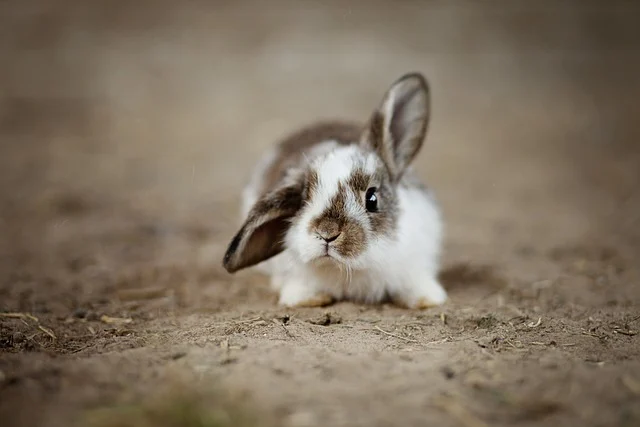
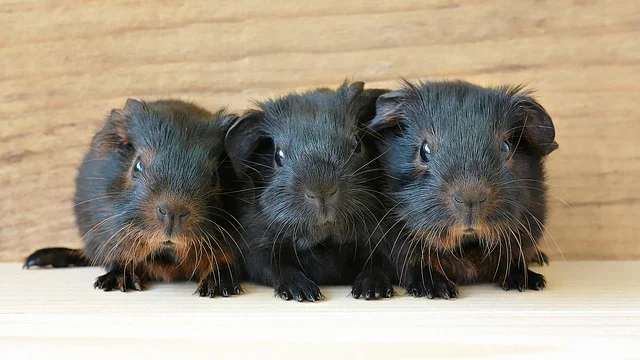
Pet rabbits commonly live 8 to 12 years with good care — much longer than many people expect. Guinea pigs typically live 5 to 7 years. Both species mature within months, so a 1-year-old rabbit or guinea pig is already a fully grown adult. This rapid maturation means their first few months are crucial for development, but also that the “share of lifespan” method for horse age in human years is least accurate for their first year.
Dental checks become especially important in older age for both rabbits and guinea pigs. Their teeth grow continuously throughout their lives. Misalignment or insufficient chewing material can lead to painful spurs, abscesses, and difficulty eating. Other common age-related issues include arthritis, especially in rabbits, and kidney problems. Rabbits are also prone to gastrointestinal stasis, which can become more frequent as they age, requiring prompt veterinary attention.
Care considerations for aging rabbits and guinea pigs
- Diet: Ensure a high-fiber diet (unlimited hay) to support dental health and digestion. Older animals may need softer foods or supplements if they struggle to chew.
- Environment: Provide soft bedding to cushion joints and ensure easy access to food, water, and litter areas. Ramps may help if mobility declines.
- Grooming: Assist with grooming if they struggle to reach certain areas, especially for long-haired breeds.
- Vet checks: Schedule regular vet visits (at least twice a year for seniors) to monitor dental health, weight, and general well-being.
Birds
Bird lifespans differ hugely by species. A small budgie might live 5 to 10 years, while a cockatiel can reach 15 to 20 years. Large parrots, such as Macaws or Cockatoos, can live 40 to 60 years or even longer, often outliving their owners. Because of this vast difference, any “human years” figure for a bird depends entirely on the species. The “share of lifespan” method for horse age in human years is the most practical approach, but you must use the typical lifespan for your specific bird species.
For instance, a 5-year-old budgie with a 10-year lifespan would be roughly 40 human years (5 ÷ 10 × 80 = 40). A 20-year-old cockatoo with a 50-year lifespan would be 32 human years (20 ÷ 50 × 80 = 32). This highlights how a bird’s chronological age does not directly translate to its “human age” without considering its species’ natural longevity, similar to calculating a horse’s age in human years.
Signs of aging in birds
Older birds may show changes in feather condition, reduced activity levels, and a decrease in vocalization. They might develop cataracts, making their eyes appear cloudy. Joint stiffness can lead to difficulty perching or flying. Like other pets, changes in appetite or droppings can signal underlying health issues. Regular vet check-ups are vital for early detection and management of age-related conditions.
Signs of ageing to watch
Understanding the signs of aging allows you to provide appropriate care and address potential health issues early. Watch for these common indicators:
- Weight changes: Both unexplained weight loss (often due to dental issues, poor digestion, or illness) and weight gain (due to reduced activity or overfeeding) can be problematic.
- Mobility and stiffness: Reluctance to move, difficulty rising, stiffness after rest, or a change in gait can indicate arthritis or other joint pain. This affects horses, rabbits, and guinea pigs significantly.
- Dental problems: Common in horses, rabbits, and guinea pigs, whose teeth grow continuously or wear unevenly. Look for drooling, difficulty eating, dropping food, or bad breath.
- Changes in coat, feathers or behaviour: A dull or sparse coat, brittle feathers, or changes in grooming habits can signal health issues. Reduced energy, increased irritability, confusion, or changes in sleep patterns are also common.
- Changes in eating or drinking: An increase or decrease in appetite or thirst can be a sign of underlying disease, such as kidney problems or diabetes.
Older animals benefit from more frequent vet check-ups, usually at least once a year and twice a year for seniors. These visits allow your vet to catch and manage age-related conditions before they become severe.
Estimating a rescue animal’s age
Many rescue pets come with unknown birth dates. Veterinarians estimate age from a range of physical indicators. They examine teeth (wear, eruption patterns), eyes (cloudiness, cataracts), coat (greying, texture), body condition (muscle mass, fat deposits), and joints (arthritis, stiffness).
Horses are often easiest to age by teeth, especially when young. Their incisors change predictably with age, allowing an experienced vet to estimate a young horse’s age within a year. However, accuracy decreases significantly after about 10 years for a horse age in human years. For rabbits and guinea pigs, dental wear and condition, along with general body condition, are key indicators. For birds, eye clarity, feather condition, and leg scale appearance can offer clues, though less precisely.
When you adopt a rescue animal, the vet’s estimated age is crucial for understanding its life stage. For record-keeping, choose an estimated birth date by subtracting the vet’s age estimate from the adoption date. Use this estimated birth date consistently for all future care and calculations, including for a horse age in human years. This consistency helps you track its progress and plan for age-appropriate care.
Care by life stage
Each life stage brings different needs and considerations for your pet. Tailoring care to their age ensures they remain healthy and happy throughout their lives.
| Stage | Horse | Rabbit | Guinea pig |
|---|---|---|---|
| Young | 0–4 years: focus on proper nutrition for growth, early handling, and foundational training. Ensure vaccinations are up-to-date. | 0–9 months: critical period for vaccinations (e.g., myxomatosis, RHD), neutering/spaying, and socialisation. Introduce varied diet. | 0–4 months: socialising with humans and other guinea pigs, establishing a healthy diet with plenty of hay and fresh vegetables. |
| Adult | 5–15 years: active working life, maintaining fitness, regular dental care, and consistent training. Monitor for early signs of joint issues. | 1–5 years: ensure adequate exercise, balanced diet, and regular dental checks. Monitor weight and digestive health. | 4 months–3 years: maintain optimal diet, ensure social interaction, and regular health checks. Monitor for dental issues. |
| Senior | 15+ years: increase vet check-ups (twice yearly), focus on managing teeth, weight, arthritis, and screening for conditions like Cushing’s disease. Adjust exercise to comfort level. | 5+ years: close monitoring for joint pain, dental disease, kidney issues, and gastrointestinal stasis. Provide soft bedding and easy access to resources. | 3+ years: vigilant monitoring for dental problems, weight fluctuations, and mobility issues. Ensure comfortable housing and gentle handling. |
Adjusting care for specific needs
Beyond general guidelines, individual pets may have unique needs. For example, a working horse may require more intensive joint care than a retired companion horse. A rabbit with a history of dental issues will need more frequent vet visits than one with perfect teeth. Always consult your veterinarian for personalized advice based on your pet’s health and lifestyle.
Record-breaking ages
While typical lifespans provide a general guide, some animals defy expectations and live extraordinarily long lives. These record holders highlight the potential for longevity with exceptional genetics, outstanding care, and a bit of luck.
- Horse: Old Billy, a barge horse in England, holds the record for the longest-living horse, recorded as living to 62 years (1760–1822).
- Rabbit: Guinness World Records lists Flopsy, an Australian rabbit, at an incredible 18 years 10 months.
- Guinea pig: Snowball, from the UK, was recorded at 14 years 10 months, more than double the typical lifespan.
- Parrot: Cookie, a Major Mitchell’s cockatoo at Brookfield Zoo near Chicago, lived to the remarkable age of 83, making it the oldest living parrot on record at the time of its passing.
These records are exceptional; always plan for typical lifespans when considering long-term care and financial commitments for your pet.
Why small animals age faster
Generally, smaller mammals tend to have faster metabolisms. They mature sooner, reproduce more quickly, and often live shorter lives. For instance, a hamster is considered old at 2 years, while an elephant may live past 60. This inverse relationship between size and lifespan is a common biological observation. However, many exceptions exist. Birds and bats, for example, live much longer than similarly sized mammals, a phenomenon that continues to fascinate biologists. Among dogs, smaller breeds surprisingly tend to live longer than larger breeds, a paradox that challenges the general rule. See how long dogs live for more on this intriguing exception.
Keeping track
Accurate record-keeping is vital for your pet’s health and well-being. Note each pet’s birth (or estimated birth) date with your veterinarian. This date helps track their life stage and schedule appropriate care, like understanding a horse’s age in human years. Set a reminder for annual check-ups, and for senior pets, twice-yearly visits.
The days until a date countdown tool is handy for vaccination due dates, medication schedules, or upcoming vet appointments. For young animals, whose care changes month by month, the age in months calculator gives exact ages, helping you follow growth charts and developmental milestones closely.

Frequently asked questions
How old is a horse in human years?
Roughly: compare its age with a 25–30-year lifespan. For example, a 20-year-old horse is about 55–60 in human terms. Young horses age much faster initially, reaching adolescence around 3 years.
How old is my rabbit in human years?
About age × 8 for adult rabbits, assuming a 10-year lifespan; a 5-year-old is roughly 40. Rabbits mature very quickly, becoming adults by 6-9 months.
How long do guinea pigs live?
Guinea pigs typically live 5 to 7 years with good care, though some individuals may live longer.
Is there an official chart for all animals?
Not for most species. Dogs and cats have veterinary charts that account for rapid early development. For other animals, the lifespan comparison method offers a reasonable estimation, especially for adults.
What factors influence an animal’s lifespan?
An animal’s lifespan is influenced by its breed, genetics, diet, housing conditions (indoor vs. outdoor), veterinary care, and overall lifestyle.
Sources
- RSPCA: Rabbit care (lifespan 8–12 years)
- PDSA: Guinea pig care
- RSPCA: Horse care and welfare

Yasir Hafeez is the founder and editor of ItsAgeCalculator. He builds the calculators, writes and checks the guides and articles, and tests every result against fixed date rules. He also runs OmniMatrics, a site of everyday calculators and converters.