In this article
Hanukkah 2026 begins at sunset on Friday 4 December. It ends at nightfall on Saturday 12 December. We light the first candle on the evening of 4 December. The first full day is 5 December. For 2027, when is Hanukkah? It starts on Christmas Eve. The countdown shows remaining days.
Countdown to Hanukkah
Hanukkah dates, 2026 to 2030
| Year | First candle (evening) | First day | Last day |
|---|---|---|---|
| 2026 | Friday 4 December | 5 December | 12 December |
| 2027 | Friday 24 December | 25 December | 1 January 2028 |
| 2028 | Tuesday 12 December | 13 December | 20 December |
| 2029 | Saturday 1 December | 2 December | 9 December |
| 2030 | Friday 20 December | 21 December | 28 December |
Jewish days begin at sunset, so each day of Hanukkah starts the evening before its Gregorian date. That is why we light the first candle the evening before the “first day” shown on many calendars. We light candles for eight nights in total; we light the eighth candle on the evening before the last day.
Understanding this distinction is important for planning. For example, if a calendar states Hanukkah begins on December 5th, you will light the first candle on the evening of December 4th. The “first day” then refers to the daytime period that follows that evening’s candle lighting.
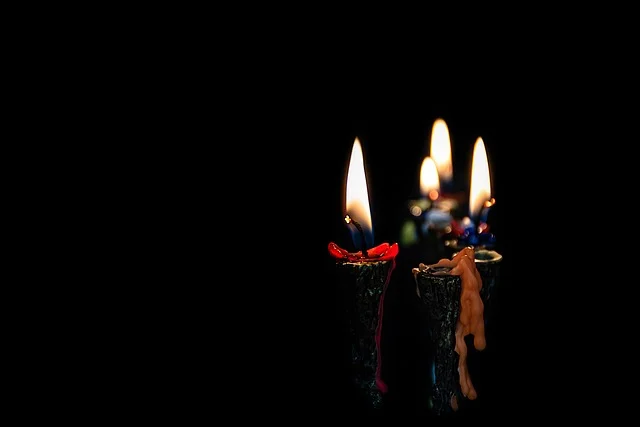
Why the date changes every year
Hanukkah always starts on 25 Kislev in the Hebrew calendar. This calendar is lunisolar. Its months follow the moon. A 13th month is added seven times in 19 years. This keeps festivals in their seasons. In Gregorian terms, Hanukkah moves between late November and late December. When is Hanukkah in a year with a leap month just before Kislev? It comes late. In other years, it comes early. Hebrew year 5787 began in September 2026. It is a leap year. Its extra month (Adar I) comes in spring, after Hanukkah.
Understanding the Lunisolar Calendar
The Hebrew calendar is a sophisticated system that balances lunar months with a solar year. Lunar months are approximately 29.5 days long, meaning 12 lunar months total about 354 days. This is roughly 11 days shorter than a solar year of 365 days. If the Hebrew calendar relied solely on lunar cycles, its holidays would drift through the seasons, much like Islamic holidays do.
To prevent drift, the Hebrew calendar adds an extra month. This ensures festivals like Passover stay in spring. Adar I makes it a 13-month year. This adjustment happens seven times in a 19-year cycle. This system means the Gregorian date for when is Hanukkah changes annually. Its position in the Jewish year, 25 Kislev, stays constant. Hanukkah always falls in winter.
Impact of Leap Years on Hanukkah Dates
A leap month changes Hanukkah’s date. Adding Adar I early pushes Kislev later. This makes Hanukkah fall later in December. If no leap month comes before Kislev, or it was early, Hanukkah is earlier. This impacts when is Hanukkah observed. It can be in November or early December.
You can see today’s Hebrew date and convert any date with the Hebrew calendar converter. For example, to find Hanukkah 2031, you would enter “25 Kislev 5792” into the converter to get its Gregorian equivalent.
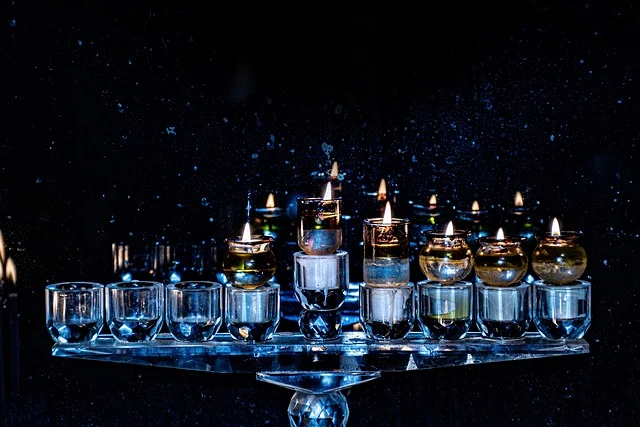
The earliest dates are rare and memorable: in 2013 the first day of Hanukkah fell on 28 November, the same day as US Thanksgiving. This gave rise to the nickname “Thanksgivukkah”. In 2027 the reverse happens: we light the first candle on Christmas Eve, and the last day of Hanukkah is New Year’s Day 2028.
What Hanukkah commemorates
Hanukkah (also spelled Chanukah) means “dedication”. It recalls the rededication of the Second Temple in Jerusalem in the 2nd century BCE, after the Maccabees’ revolt against the Seleucid king Antiochus IV. According to the Talmud, we found only one small jar of pure oil to light the Temple menorah — enough for one day — but it burned for eight days. The festival lasts eight days in memory of that.
The Historical Context: A Fight for Religious Freedom
The story of Hanukkah begins around 167 BCE. Judea was under the rule of the Seleucid Empire, led by Antiochus IV Epiphanes. Antiochus sought to Hellenize the Jewish people. He forbade Jewish religious practices, desecrated the Second Temple in Jerusalem by dedicating it to Zeus, and forced Jews to worship Greek gods.
Mattathias, a Jewish priest, and his five sons, the Maccabees, led a revolt. They fought against oppression. After years of guerrilla warfare, Judah Maccabee, Mattathias’s son, reclaimed Jerusalem and the Temple. The Maccabees purified and rededicated the Temple. Pagan rituals had defiled it. This rededication is the core event Hanukkah celebrates. Many ask when is Hanukkah in relation to this historical event.
The Miracle of the Oil and its Enduring Significance
During the rededication, Maccabees lit the Temple’s menorah. This seven-branched candelabrum was to burn continuously. They sought pure olive oil. Only one small cruse was found. It held enough oil for a single day. Miraculously, the oil burned for eight days. This was the time needed to make new oil. This “miracle of the oil” is why Hanukkah is celebrated for eight nights, answering the question of when is Hanukkah.
The eight days symbolize divine intervention, resilience, and hope. It reinforces dedication. This means dedication of the Temple and the Jewish people. They dedicate to faith and traditions despite adversity. The miraculous oil burning is central to Hanukkah customs. These include lighting the menorah and eating fried foods. Many ask about when is Hanukkah for these traditions.
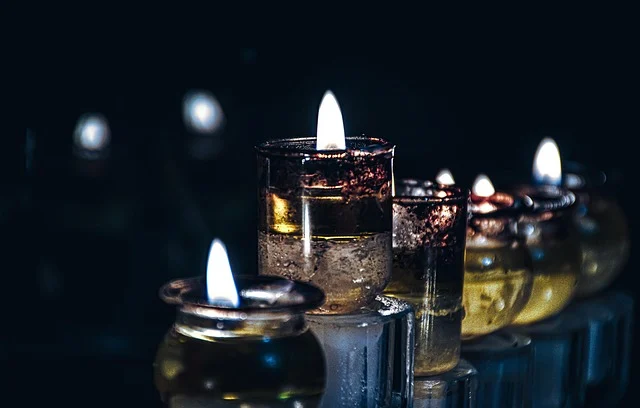
How Hanukkah is celebrated
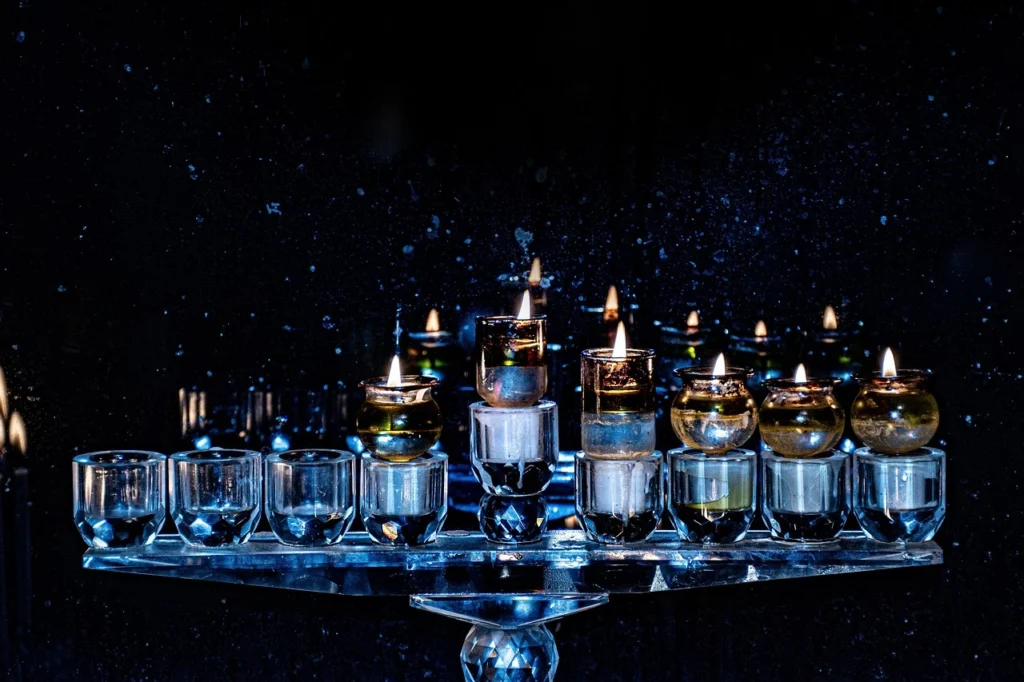
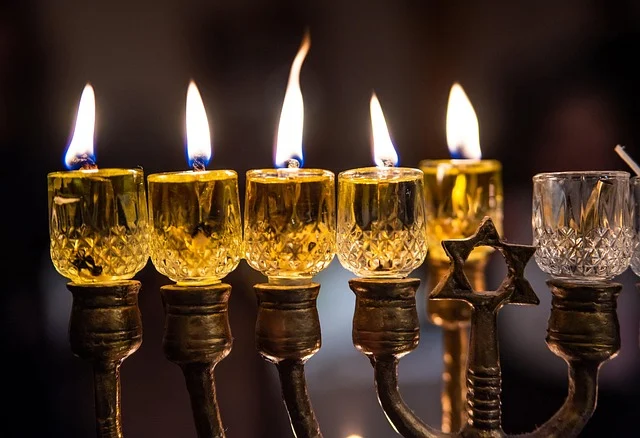
- Lighting the menorah (hanukkiah) — a nine-branched candelabrum. You add one candle each night. The helper candle (the shamash) lights it. All eight burn on the last night. You place it in a window or doorway so people can see it from outside.
- Fried foods — latkes (potato pancakes) and sufganiyot (jam doughnuts), cooked in oil to remember the miracle of the oil.
- The dreidel — a four-sided spinning top with Hebrew letters standing for “a great miracle happened there” (in Israel, “here”).
- Gelt and gifts — coins or chocolate coins for children, and in many families small gifts on each night.
Hanukkah is not one of the biblical festivals, so work is allowed. Schools in Israel have a winter break rather than full public holidays. Its importance in many Western countries has grown partly because it falls near Christmas.
Lighting the Hanukkiah: A Step-by-Step Guide
Lighting the Hanukkiah is the central observance of Hanukkah. You perform this ritual each of the eight nights:
- Prepare your Hanukkiah: Place enough oil or candles for the current night. On the first night, you place two lights (one for the first night, plus the shamash). On the second night, three lights, and so on, until all nine branches hold lights on the eighth night.
- Position the Hanukkiah: Traditionally, you place the Hanukkiah in a doorway or window, visible from the street, to publicize the miracle.
- Recite the blessings: Before lighting, recite two blessings on the first night, and one blessing (the blessing over the lights) on subsequent nights.
- Light the Shamash: Use a match or lighter to ignite the shamash, the ninth “helper” candle.
- Light the Hanukkah candles: Use the lit shamash to light the Hanukkah candles, starting from the newest candle (the one furthest to the left) and moving right. After lighting, replace the shamash in its designated spot.
- Let them burn: Allow the candles to burn for at least 30 minutes after nightfall. Do not use the Hanukkah lights for any practical purpose, such as reading.
This practice ensures you add one candle each night, progressively increasing the light and symbolizing the growing miracle.
Culinary Traditions: The Role of Oil
The tradition of eating fried foods like latkes (potato pancakes) and sufganiyot (jam-filled doughnuts) directly connects to the miracle of the oil. Frying these foods in oil serves as a delicious reminder of the small cruse of oil that miraculously lasted for eight days. Families often prepare and share these dishes at gatherings, adding a festive and flavorful dimension to the holiday.
The Dreidel Game: A Symbol of Resilience
The dreidel game uses a spinning top. It has four Hebrew letters: Nun, Gimmel, Hei, Shin. This is a popular Hanukkah activity for children. These letters mean “Nes Gadol Haya Sham.” That translates to “A great miracle happened there.” In Israel, the letter Shin changes to Peh. This means “Nes Gadol Haya Po” or “A great miracle happened here.” Players win or lose gelt. Gelt can be coins or chocolate coins. The dreidel’s landing side determines this. This game is a fun way to remember the holiday. It can also answer the question of when is Hanukkah.
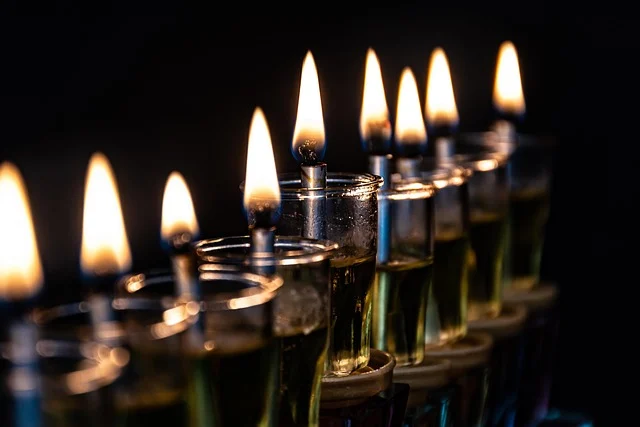
Planning around Hanukkah
Hanukkah candles are lit after nightfall. (On Friday, light them before Sabbath candles, which are before sunset). If planning a party, school event, or work schedule, check which evenings fall on a weekend. For example, when is Hanukkah in 2026? The first night is a Friday. So, light the first Hanukkah candle before the Shabbat candles. Counting eight nights from Friday, December 4th, you light the eighth candle on Friday, December 11th, again before Shabbat. To count days to any date, use the days until date calculator.
Navigating Weekend and Sabbath Observances
When Hanukkah falls on a Friday, as it does in 2026 and 2027, you must light the Hanukkah candles before the Sabbath candles. Jewish law mandates that you do not light new fires on the Sabbath itself. Therefore, on Friday evening, you light the Hanukkah candles first, then the Sabbath candles. On Saturday evening, after the Sabbath ends at nightfall, you light the Hanukkah candles as usual. This sequence ensures you observe both the Hanukkah mitzvah (commandment) and the Sabbath laws correctly.
Scheduling Events and Social Gatherings
Because Hanukkah is not a full public holiday outside of Israel, and people generally permit work, you need careful consideration for planning social events or school activities. Evening events should account for the candle lighting time. This occurs after sunset. Families might prefer to gather after the candles are lit, or incorporate the lighting ceremony into the event itself.
For school-aged children, Hanukkah often coincides with winter breaks in many Western countries, which can simplify family celebrations. However, for those still in school or working, you will need to balance daily routines with evening observances. Many communities organize public menorah lightings, which are excellent opportunities to share the holiday spirit.
Consider the varying start and end times across the five years provided in the table. In 2027, for instance, Hanukkah begins on Christmas Eve, which may require coordinating with other holiday plans. In 2029, the first night falls on a Saturday, meaning the first candle lighting will happen after Shabbat ends, at nightfall.
Other Jewish holidays in 2027
All Jewish holidays follow the same Hebrew calendar and begin at sunset the evening before the dates shown:
| Holiday | Hebrew date | 2027 date |
|---|---|---|
| Purim | 14 Adar II 5787 | 23 March |
| Passover (first day) | 15 Nisan 5787 | 22 April |
| Shavuot | 6 Sivan 5787 | 11 June |
| Rosh Hashanah (5788) | 1 Tishri 5788 | 2 October |
| Yom Kippur | 10 Tishri 5788 | 11 October |
| Sukkot (first day) | 15 Tishri 5788 | 16 October |
| Hanukkah (first day) | 25 Kislev 5788 | 25 December |
Dates outside Israel can add a day for some festivals, such as Passover and Sukkot, following diaspora custom. This additional day, known as Yom Tov Sheni shel Galuyot (Second Festival Day of the Diaspora), is a tradition maintained by many Jewish communities outside of Israel for biblical holidays, ensuring proper observance due to historical uncertainties in calendar calculation.
Frequently asked questions
When does Hanukkah start in 2026?
At sunset on Friday 4 December 2026. It ends at nightfall on Saturday 12 December.
When is Hanukkah 2027?
The first candle is lit on the evening of Friday 24 December 2027; Hanukkah ends on 1 January 2028.
Why is Hanukkah on different dates each year?
It always starts on 25 Kislev in the Hebrew calendar, which follows the moon. The Hebrew calendar adds a leap month periodically to stay aligned with the solar year, causing 25 Kislev to shift between late November and late December in the Gregorian calendar.
How long is Hanukkah?
Hanukkah lasts for eight nights and eight days, commemorating the miracle of the oil that burned for eight days in the Second Temple.
Is Hanukkah a major holiday?
While culturally significant, especially due to its proximity to Christmas in Western countries, people consider Hanukkah a minor holiday in Jewish tradition compared to biblical festivals like Passover or Yom Kippur. People generally permit work during Hanukkah.
Sources
Yasir Hafeez is the founder and editor of ItsAgeCalculator. He builds the calculators, writes and checks the guides and articles, and tests every result against fixed date rules. He also runs OmniMatrics, a site of everyday calculators and converters.