In this article
- What is my birth flower by month, and what does it mean?
- Find your birth flower
- Birth Flowers by Month: A Complete Chart
- Where Do Birth Flowers Come From? The History and Tradition
- Detailed Meanings for Each Month's Birth Flower
- Creative Ideas for Using Your Birth Flower
- How Do Birth Flowers Differ from Birthstones and Star Signs?
- Discovering Your Birth Flower
- Frequently asked questions
- Sources
Birth flowers are specific flowers traditionally assigned to each month of the year, similar to birthstones. They carry symbolic meanings and personality traits connected to the birth month. While there isn’t one single official list, most months have one or two primary flowers with rich historical and cultural significance. These are gaining popularity in 2026 as a personalized trend.
What is my birth flower by month, and what does it mean?
Each month of the year has its own birth flower. Most months have two, each with unique meanings derived from history, tradition, and when they naturally bloom. These flowers offer a personalized way to celebrate birthdays, making bouquets, cards, and gifts more meaningful.
Find your birth flower
To quickly discover your birth flower, use the tool below by entering your birth month. Below the tool, you’ll find a comprehensive chart and detailed explanations for each month.
Birth Flowers by Month: A Complete Chart
The following chart lists the primary and secondary birth flowers for each month, along with their core symbolic meanings. While some variations exist due to regional customs, this list reflects the most widely accepted traditions, particularly those published by the Farmers’ Almanac.
| Month | Birth Flower (Primary) | Birth Flower (Secondary) | Common Meanings |
|---|---|---|---|
| January | Carnation | Snowdrop | Love, fascination, devotion (Carnation); Hope, new beginnings, resilience (Snowdrop) |
| February | Violet | Primrose | Modesty, loyalty, faithfulness (Violet); Young love, quiet strength (Primrose) |
| March | Daffodil | Jonquil | New beginnings, rebirth, happiness (Daffodil); Desire, affection (Jonquil) |
| April | Daisy | Sweet Pea | Innocence, purity, bliss (Daisy); Gratitude, blissful pleasure (Sweet Pea) |
| May | Lily of the Valley | Hawthorn | Happiness, sweetness, hope (Lily of the Valley); Hope, supreme happiness (Hawthorn) |
| June | Rose | Honeysuckle | Love, beauty, affection (Rose); Devotion, strong bonds of love (Honeysuckle) |
| July | Larkspur | Water Lily | Positivity, grace, lightness (Larkspur); Purity, dignity, open heart (Water Lily) |
| August | Gladiolus | Poppy | Strength, integrity, remembrance (Gladiolus); Peace, remembrance, imagination (Poppy) |
| September | Aster | Morning Glory | Patience, love, wisdom (Aster); Affection, unrequited love (Morning Glory) |
| October | Marigold | Cosmos | Warmth, creativity, passion (Marigold); Harmony, peace, joy (Cosmos) |
| November | Chrysanthemum | Peony | Friendship, honesty, joy, loyalty (Chrysanthemum); Prosperity, happy marriage (Peony – Note: Peony is a less common secondary flower for November, often associated more strongly with June) |
| December | Narcissus (Paperwhite) | Holly | Rebirth, hope, good fortune (Narcissus); Protection, domestic happiness, peace (Holly) |
Lists differ a little from one source to another, especially for the second flower of each month. The pairs above follow the widely used chart published by the Farmers’ Almanac, with additional meanings from common tradition.
Where Do Birth Flowers Come From? The History and Tradition
The tradition of assigning birth flowers dates back to ancient Rome, where flowers in natural bloom during each month were associated with the qualities of that season and the people born within it. Giving flowers a meaning, known as floriography or the “language of flowers,” became a popular pastime in the nineteenth century.
During this period, dictionaries of flower meanings were best-sellers. This allowed people to send messages through the choice and arrangement of a bouquet. Linking a flower to each month followed naturally from which plants were in bloom at that time of year in Europe and North America: snowdrops in January, daffodils in March, roses in June, and chrysanthemums in November. This is why the list feels seasonal in the northern hemisphere. In the southern hemisphere or in hot climates, many people pick the flower of their month for its meaning and a seasonal local flower for the actual bouquet. This “birth-month bloom” trend is gaining popularity in 2026. It offers a personalized and tangible alternative to traditional zodiac signs, aesthetic customization and deeper historical roots.

Detailed Meanings for Each Month’s Birth Flower
Beyond their primary associations, each birth flower carries a deeper symbolism, often influenced by its appearance, growing season, and cultural history. Understanding these meanings can make gifting or choosing your birth flower even more special.
January: Carnation and Snowdrop
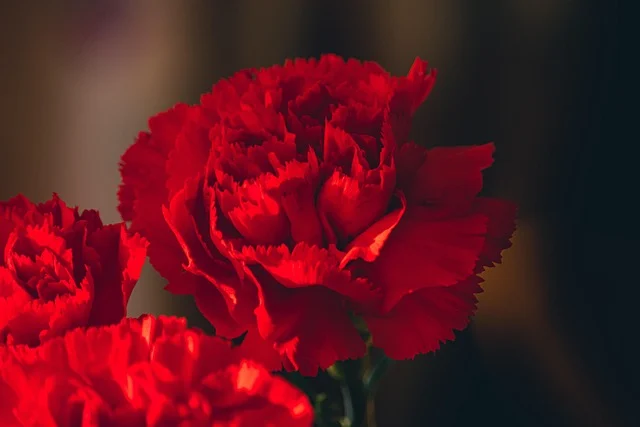
Carnations stand for love, fascination, and devotion. Their color adds a specific shade of meaning: red for deep love, pink for gratitude, and white for pure affection. The snowdrop, one of the first flowers to push through frozen ground, stands for hope, new beginnings, and resilience. This is fitting for a month that begins a new year.
February: Violet and Primrose
Next, the small purple violet symbolizes modesty, loyalty, and faithfulness. It has long been linked with remembrance between friends and lovers, making it suitable for the month of Valentine’s Day. The primrose, whose name comes from the Latin for “first,” represents young love and quiet strength, hinting at the first signs of spring. A common misconception is that roses are the official birth flower for February due to Valentine’s Day. However, violets and primroses are the traditional birth flowers for this month.
March: Daffodil and Jonquil
Bright yellow daffodils announce spring and stand for new beginnings, rebirth, and happiness. The jonquil, a fragrant member of the same narcissus family, means desire and affection. A bunch of daffodils is a classic gift for a March birthday, though it’s believed by some that gifting a single daffodil brings misfortune, so it is advised to give a whole bouquet.
April: Daisy and Sweet Pea
The daisy represents innocence, purity, and blissful happiness: simple, bright, and found almost everywhere. The sweet pea, with its ruffled petals and strong scent, means gratitude and blissful pleasure. It also traditionally conveys a fond goodbye or a thank-you.
May: Lily of the Valley and Hawthorn
Lily of the valley, with its tiny white bells, stands for happiness, sweetness, and hope, often associated with motherhood and the return of happiness. Hawthorn, which blossoms in May hedgerows, stands for hope and was a symbol of supreme happiness and protection in British folklore. Note that lily of the valley is poisonous if eaten, so keep it away from children and pets.
June: Rose and Honeysuckle
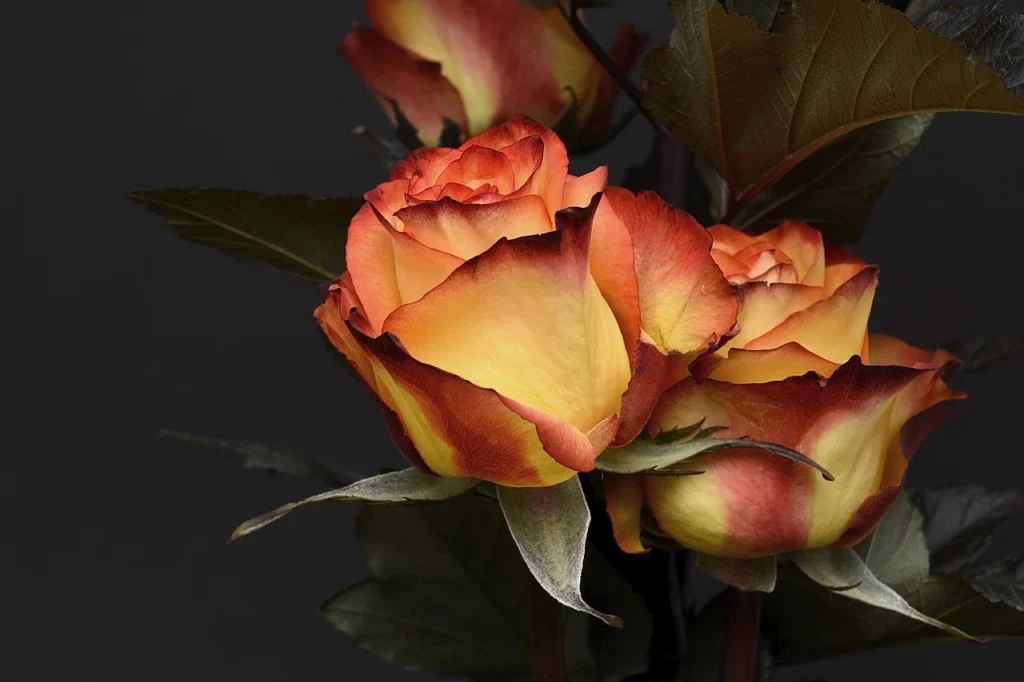
The rose is the classic symbol of love, beauty, and affection. Its color significantly impacts its meaning: red for passion, white for innocence, yellow for friendship, and pink for gratitude. Honeysuckle, which scents warm summer evenings, represents devotion and strong bonds of love.
July: Larkspur and Water Lily
Tall spikes of larkspur (delphinium) stand for positivity, grace, and lightness. They also represent an open heart and strong attachment; pink for fickleness and white for happiness in some traditions. The water lily, floating calmly on still water, represents purity, dignity, and an open heart.
August: Gladiolus and Poppy
The gladiolus takes its name from the Latin gladius, a sword, after the shape of its leaves. It symbolizes strength, integrity, and remembrance. The poppy represents peace, remembrance, and imagination, and since ancient times, has also been associated with restful sleep.
September: Aster and Morning Glory
Also, the star-shaped aster, named after the Greek word for star, symbolizes patience, love, and wisdom. The morning glory opens in the morning and closes by afternoon; it stands for affection and for the brief, precious pleasures of life, sometimes also unrequited love.
October: Marigold and Cosmos
Golden marigolds stand for warmth, creativity, and passion, often associated with protection of the home. They are central to celebrations such as Diwali garlands and Mexico’s Day of the Dead. The cosmos, whose name means “order” or “harmony” in Greek, stands for exactly that, as well as peace and joy.
November: Chrysanthemum and Peony
The chrysanthemum stands for friendship, honesty, joy, and loyalty, as well as long life. In China and Japan it is a symbol of longevity and nobility; it is Japan’s imperial emblem. The peony, an emblem of prosperity and a happy marriage, is sometimes listed as a secondary flower, though it is more commonly associated with June.
December: Narcissus (Paperwhite) and Holly
Paperwhite narcissus, often grown indoors in winter, stands for rebirth, hope, and good fortune. This flower offers good wishes for the year ahead. Holly, with its evergreen leaves and red berries, represents protection, domestic happiness, and peace, and is a familiar winter decoration.
Creative Ideas for Using Your Birth Flower
Incorporating birth flowers into your life or gifts offers a personal touch that celebrates identity and connection. Here are several ways to use your birth flower:
- Birthday bouquets. Build the bouquet around the recipient’s birth flower and add seasonal greenery. If the flower is out of season locally, a florist can usually suggest a look-alike in the same color.
- A birth month garden. Plant the birth flowers of everyone in your family. Most are easy garden plants (marigolds, cosmos, asters, daisies, and sweet peas grow well from seed). You get something in bloom on each person’s birthday.
- Cards and cakes. A pressed flower or a hand-drawn birth flower makes a simple card special. Many bakers can pipe or decorate with the birth flower.
- Jewellery and tattoos. Birth flower necklaces, combined bouquets for a couple or a whole family, and fine-line birth flower tattoos are popular ways to wear the tradition.
- Baby gifts and names. Several birth flowers are also names (Violet, Daisy, Rose, Lily, Holly, Iris). A birth flower print is a thoughtful gift for a new baby.
A small safety note: some flowers, including lily of the valley, daffodils, narcissus, and holly berries, are poisonous if eaten. Keep them out of reach of small children and pets. Never use them to decorate food unless a florist or baker confirms they are safe.

How Do Birth Flowers Differ from Birthstones and Star Signs?
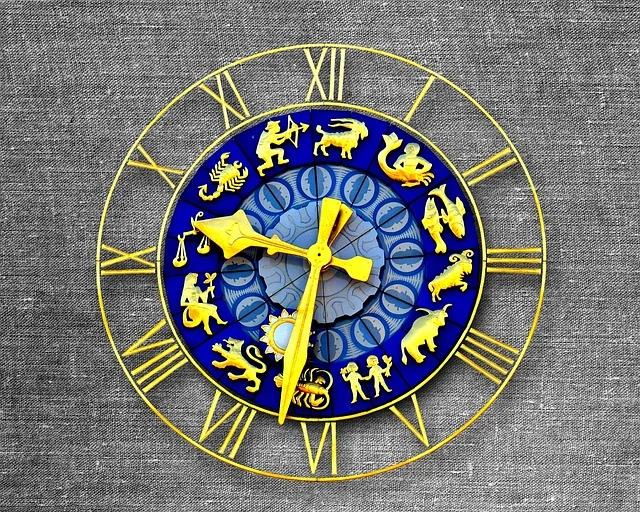
Birth flowers go by calendar month, just like birthstones. Star signs (zodiac flowers), however, are different: they change around the 20th of each month, following astrological signs rather than fixed calendar months. For example, someone born on 25 March has the March birth flower (daffodil) but the star sign Aries. This means birth flowers are distinct from zodiac flowers. To check your sign, use the star sign calculator. Also, see how long until your next birthday with the birthday countdown. If you are planning a special celebration, our golden birthday calculator tells you when you turn the age that matches your birth date.
Related reading
- Birthstones by Month: Chart, Colours and Meanings
- Milestone Birthdays: Which Ages Matter and How the World Celebrates
- Life Path Number: How to Calculate It and What It Means
Discovering Your Birth Flower
What are birthday flowers?
Birthday flowers are specific flowers traditionally associated with each month of the year, similar to birthstones. They carry symbolic meanings and personality traits connected to the birth month, offering a personalized way to celebrate birthdays.
How do I find my birth flower by date?
To find your birth flower, you typically look up the flower assigned to your birth month. While the article provides a comprehensive chart, some sources may have slight variations, especially for secondary flowers. The tradition of birth flowers dates back to ancient Rome and became popular in the 19th century through floriography.
Frequently asked questions
What is my birth flower by month?
Each month has a main birth flower and usually a second one: January carnation and snowdrop, February violet and primrose, March daffodil and jonquil, April daisy and sweet pea, May lily of the valley and hawthorn, June rose and honeysuckle, July larkspur and water lily, August gladiolus and poppy, September aster and morning glory, October marigold and cosmos, November chrysanthemum and peony, December narcissus and holly.
Why do some months have two birth flowers?
Different traditions settled on different flowers over time, and lists in Britain and North America do not always agree, so most charts give two. You can choose whichever you like best, or combine them. The availability of flowers seasonally also contributed to multiple associations.
Is the birth flower based on the month or the star sign?
Birth flowers are based on the calendar month, the same as birthstones. Star signs change around the 20th of each month, following astrological dates rather than fixed calendar months, so they do not line up with birth flowers.
What is the birth flower for June?
The primary birth flower for June is the rose, with honeysuckle as the second flower. Rose color adds significant meaning: red for passion, white for innocence, yellow for friendship, and pink for gratitude.
Can I give a birth flower that is out of season?
Yes, you can. Florists often import many flowers all year round, or they can suggest a similar seasonal flower in the same color and style. Dried or pressed flowers, prints, and jewelry are other excellent options for celebrating a birth flower regardless of the season.
Is there a birth flower for each day of the month?
No, birth flowers are traditionally assigned to each calendar month, not to individual days. While some cultures have daily flower associations, the widely recognized “birth flower” system operates on a monthly basis.
Sources

Yasir Hafeez is the founder and editor of ItsAgeCalculator. He builds the calculators, writes and checks the guides and articles, and tests every result against fixed date rules. He also runs OmniMatrics, a site of everyday calculators and converters.