
In this article
New Year’s Day 2027 falls on a Friday. On 22 October 2026 there are 71 days to go. The countdown below updates every day for your own time zone, so you can see how many days and weeks remain until 1 January 2027.
New Year countdown
Use this live countdown to track the exact time remaining until 1 January 2027. It automatically adjusts to your local time zone, giving you a precise measure of days, hours, minutes, and seconds.
Monitoring the countdown helps you plan celebrations, set personal goals, or simply anticipate the arrival of the new year. Seeing the numbers tick down provides a clear visual of progress towards your New Year’s Eve plans.
Days until New Year from key dates
Knowing the number of days from specific points in the year helps you manage your time and prepare for the festive season. This table outlines the remaining days to 1 January 2027 from various significant dates.
| From | Days until 1 January 2027 |
|---|---|
| 1 October 2026 | 92 |
| 1 November 2026 | 61 |
| 26 November 2026 (US Thanksgiving) | 36 |
| 1 December 2026 | 31 |
| 25 December 2026 | 7 |
| 31 December 2026 | 1 |
You can use these milestones to structure your holiday preparations. For example, by 1 December, you have exactly one month left, which is a good time to finalize gift shopping or travel arrangements.
For any other date — a holiday, an exam or a deadline — use the days until date calculator. Simply input your chosen date and it tells you the exact number of days until or since that event. This helps you track personal deadlines or important anniversaries throughout the year.
Who sees the New Year first and last?
The New Year arrives at midnight local time, so it sweeps around the world over about 26 hours. This global progression is governed by time zones and the International Date Line.

The International Date Line (IDL) primarily follows the 180° longitude line in the Pacific Ocean. When you cross the IDL going west, you advance your calendar by one day. When you cross it going east, you go back one day. This line is crucial for determining the days until New Year for various countries.
- First: Kiritimati (Christmas Island) and the rest of Kiribati’s Line Islands, at UTC+14 — 10:00 UTC on 31 December. These islands are geographically positioned just west of the International Date Line, placing them in the earliest time zone.
- Next: New Zealand’s Chatham Islands (UTC+13:45), then Tonga, Samoa and most of New Zealand (UTC+13 in summer), with Auckland’s Sky Tower fireworks among the first big shows. These nations are among the first to welcome the New Year, often featuring early televised celebrations.
- Sydney (UTC+11 in summer) celebrates at 13:00 UTC; Tokyo at 15:00; Pakistan at 19:00; Dubai at 20:00; London at midnight UTC; New York at 05:00 UTC on 1 January. This sequence demonstrates the eastward progression of time zones across continents.
- Last inhabited places: American Samoa and Niue at UTC−11 — 11:00 UTC on 1 January. These islands are located just east of the International Date Line, making them the last populated areas to experience the change of year.
- Last of all: the uninhabited Baker and Howland Islands at UTC−12. As remote US territories, they mark the absolute final point for the New Year’s arrival on the planet.
Samoa and tokelau date line shift
Samoa and Tokelau skipped December 30, 2011. They moved across the International Date Line. This aligned their working week with Australia and New Zealand. Before, Samoa was among the last for days until new year. Now it is among the first. This shift shows how politics and economics influence time zones. These factors can override IDL proximity.
Coordinating Across Time Zones
Time differences are essential for global celebrations. If you are in London (UTC), call New York (UTC-5) at 5:00 AM on January 1st for their midnight. Conversely, call Sydney (UTC+11) at 1:00 PM on December 31st for their midnight. This helps with the days until new year. Always confirm local time and date to avoid confusion.
Why the year starts on 1 January
The Romans began their civil year on 1 January from 153 BCE, and Julius Caesar’s calendar of 46 BCE kept it. This tradition originated from the Roman custom of inaugurating new consuls on this date. The start of the civil year did not always align with seasonal changes, but it provided a consistent administrative point.
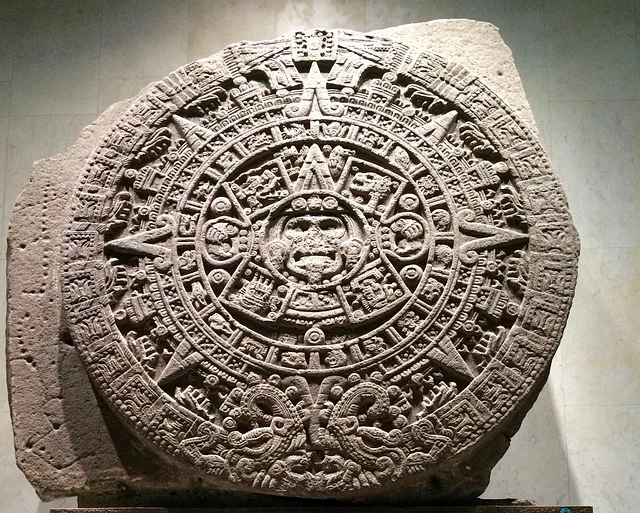
In medieval Europe many places started the year on other days instead — 25 March (Lady Day) in England until the 18th century, or Easter in France. These alternative New Year dates often held religious significance, such as the Feast of the Annunciation on 25 March. This created inconsistencies in dating across different regions and historical periods.
From 1752, England, Wales, Ireland, and British colonies moved New Year’s Day to 1 January. They adopted the Gregorian calendar that year. This aligned them with most of Western Europe. It simplified international commerce and communication. Old English documents dated January to March can carry two years. For example, ’10 February 1731/2′. This dual dating resolved ambiguity during the transition period for days until new year.
The Shift to the Gregorian Calendar
Pope Gregory XIII introduced the Gregorian calendar in 1582. He corrected the Julian calendar’s 10-day error. The Gregorian calendar adjusted leap year rules for accuracy. Most Catholic countries adopted it quickly. Protestant and Orthodox countries took longer, leading to centuries of differing calendar systems across Europe.
Other New Years around the world
While 1 January is widely recognized, many cultures and religions observe their New Year on different dates, following their own calendars. These celebrations reflect diverse traditions, astronomical observations, and historical events.
| New Year | Next date |
|---|---|
| Chinese (Lunar) New Year | 6 February 2027 |
| Nowruz (Persian New Year) | 21 March 2027 |
| Thai Songkran | 13–15 April 2027 |
| Islamic New Year (1 Muharram 1449) | about 6 June 2027 |
| Ethiopian New Year (Enkutatash) | 12 September 2027 |
| Jewish New Year (Rosh Hashanah 5788) | evening of 1 October 2027 |
| Orthodox “Old New Year” | 14 January 2027 |
Each of these New Years comes with unique customs, foods, and festivities. Understanding these diverse celebrations, and the days until new year for each, enriches your appreciation of global culture. For example, Chinese New Year is a spring festival marked by family reunions and symbolic foods, while Nowruz celebrates the spring equinox with rituals of renewal.
See Chinese New Year dates, the Persian calendar and the Ethiopian calendar for how those years work. These resources provide detailed information on their respective calendar systems and cultural significance.
Who This Information Suits (and Who It Doesn’t)
This article primarily focuses on the Gregorian calendar and its 1 January New Year. If you adhere strictly to one of the alternative calendar systems mentioned above, your primary New Year celebration will occur on a different date. However, understanding the global context of 1 January still helps you navigate international schedules and participate in widespread secular celebrations.
New Year traditions
New Year’s Eve and New Year’s Day bring a wealth of traditions worldwide, each with its own meaning and history. These customs often involve rituals for good luck, prosperity, and a fresh start.
- Countdowns and fireworks at midnight, from Sydney Harbour to Times Square, where the ball drop began in 1907. These public spectacles unite communities in a shared moment of transition.
- Twelve grapes in Spain — one on each stroke of midnight, for twelve lucky months. This tradition requires careful timing and symbolizes hope for the year ahead.
- First-footing in Scotland at Hogmanay — the first visitor after midnight brings luck for the year. This guest traditionally brings symbolic gifts like coal, shortbread, or whisky, representing warmth, food, and good cheer.
- Joya no Kane in Japan — temple bells rung 108 times. Buddhist temples ring their bells to purify people of the 108 worldly desires (bonnō) that lead to suffering, preparing them for a clean start.
- Resolutions — promises for the year ahead. Many people use the New Year as an opportunity for self-improvement. If yours is about health or savings, a countdown to your next birthday or a target date can help: try the birthday countdown. Setting clear, measurable goals enhances the likelihood of success.
Common Problems with Resolutions and Their Fixes
Many New Year’s resolutions fail by February. Vague or overly ambitious goals are a common problem. Instead of “getting fit,” try “running 30 minutes, three times a week.” A lack of a plan is another issue. Break resolutions into small, manageable steps. For example, to save money, set a specific weekly savings target and automate transfers. Track progress regularly and celebrate small victories to maintain motivation in the days until new year.
Turning a year older at New Year
In the international system, your age changes on your birthday. This method is straightforward: your age advances by one year on the anniversary of your birth. Most countries globally follow this system.

Traditional Korean, Chinese, and Vietnamese systems aged everyone at New Year. You were one year old at birth. Another year of age was gained with each New Year, regardless of birth date. Everyone born in the same calendar year shared the same age. South Korea uses international age since June 2023. You can still compare both with the Korean age calculator. This tool helps understand system differences. To know your age at the end of 2027, the how old will I be calculator works it out. This is useful for planning or satisfying curiosity about future milestones, or even for finding out how many days until new year.
2027 at a glance
2027 is a common year of 365 days that starts and ends on a Friday. It has the same calendar as 2010 and 2021, so an old 2021 calendar works perfectly for 2027 — see years that repeat. This calendar repetition is a useful hack for reusing physical calendars.
New Year’s Day on a Friday means a three-day weekend for many. This offers a great chance for a short trip or extra rest. In Scotland, January 2nd is a bank holiday. When it lands on a weekend, like in 2027, the holiday moves to the next weekday. This ensures workers get their public holiday benefit. You can track the days until new year with our tool.
Planning Your Holiday Leave
Planning holiday leave? Our business days calculator shows needed working days off. It helps you maximize time off for Christmas and New Year. For 2027, December 25th is a Saturday. January 1st is a Friday. You can take minimal leave days. For example, take off December 27th to December 30th (4 days). This gives a break from December 25th to January 2nd. It includes two weekends and New Year’s Day. This calculator shows the days until new year.
Frequently asked questions
How many days until New Year?
The countdown above shows the exact number for today. From 22 October 2026 there are 71 days to 1 January 2027.
What day of the week is New Year’s Day 2027?
Friday. New Year’s Day 2028 is a Saturday.
Which country celebrates New Year first?
Kiribati’s Line Islands, including Kiritimati, at UTC+14. They are located just west of the International Date Line.
Which place celebrates New Year last?
American Samoa and Niue are the last inhabited places (UTC−11); Baker and Howland Islands (UTC−12) are uninhabited and mark the absolute last point.
Why do some countries have different New Year dates?
Many cultures and religions follow their own traditional or lunar calendars, which determine their New Year dates. These dates often align with significant astronomical events or historical traditions, differing from the Gregorian calendar’s 1 January. See the “Other New Years around the world” section for examples.
Sources
- National Geographic: the first and last places to see the New Year
- NASA: Calendar dates — Julian and Gregorian calendars

Yasir Hafeez is the founder and editor of ItsAgeCalculator. He builds the calculators, writes and checks the guides and articles, and tests every result against fixed date rules. He also runs OmniMatrics, a site of everyday calculators and converters.