In this article
Ramadan 2027 (1448 AH) is expected to begin on Monday 8 February 2027, with the first fast that day. Eid al-Fitr is expected on Tuesday 9 or Wednesday 10 March 2027. These dates come from the Umm al-Qura calendar. They also use projections from the UAE’s Astronomy Centre. Many countries confirm the exact day when they sight the new crescent moon. The countdown for days until Ramadan updates daily below. The table gives Ramadan and Eid dates up to 2030.
Ramadan and Eid countdown
Ramadan and Eid dates, 2027 to 2030
| Hijri year | Ramadan begins (first fast) | Eid al-Fitr | Eid al-Adha |
|---|---|---|---|
| 1448 | Mon 8 Feb 2027 | Tue 9 Mar 2027 | Sun 16 May 2027 |
| 1449 | Fri 28 Jan 2028 | Sat 26 Feb 2028 | Fri 5 May 2028 |
| 1450 | Tue 16 Jan 2029 | Wed 14 Feb 2029 | Tue 24 Apr 2029 |
| 1451 | Sat 5 Jan 2030 | Mon 4 Feb 2030 | Sat 13 Apr 2030 |
| 1452 | Thu 26 Dec 2030 | 2031 | 2031 |
Dates follow the Umm al-Qura calendar used in Saudi Arabia. In countries where each month begins only after people see the crescent locally, including Pakistan, India and Bangladesh and many communities in the UK, Ramadan and Eid can start one day later. The night before the first fast is the first night of Ramadan, when taraweeh prayers begin.
Why Ramadan moves 11 days earlier in every year until
Ramadan is the ninth month of the Islamic (Hijri) calendar. This calendar is purely lunar; each month begins with the new crescent. Months last 29 or 30 days. A Hijri year has only 354 or 355 days. This is about 11 days shorter than the 365-day solar year. Therefore, Ramadan arrives about 11 days earlier each Gregorian year. It moves through all seasons in roughly 33 years. People often check for days until Ramadan.
The Islamic calendar operates independently of the solar year. Its months are not tied to seasons, unlike the Gregorian calendar. This consistent shift means Ramadan cycles through winter, autumn, summer, and spring over approximately three decades.
A striking result is coming in 2030: Ramadan will begin twice in the same Gregorian year. It will start in early January (1451 AH) and again in late December (1452 AH). This happens roughly every 33 years. The lunar calendar ‘catches up’ to the solar calendar. This phenomenon means some Muslims will fast two full Ramadans. Others will fast one and part of another. Read more about the days until Ramadan and the lunar calendar in our guide to age in Hijri years. It also shows your own age in the Islamic calendar.
Moon sighting or calculation?
Muslims agree that Ramadan begins with the new month, but there are two ways of deciding when that is:
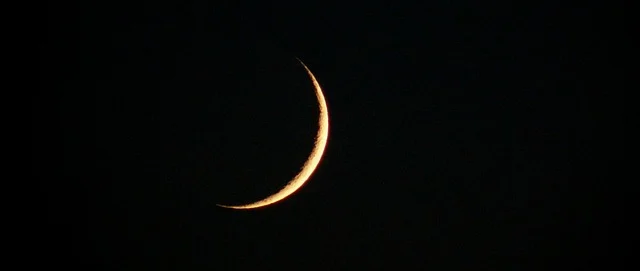
- Astronomical calculation. Saudi Arabia’s Umm al-Qura calendar, and several other countries and organisations, fix the dates in advance from astronomical data. This method uses precise scientific calculations to determine the moon’s position and visibility. This is why we can publish dates years ahead, offering predictability for planning.
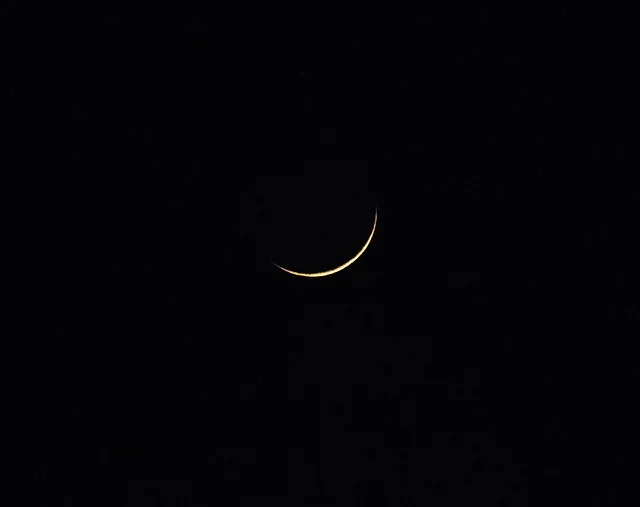
- Local moon sighting. In Pakistan, the Central Ruet-e-Hilal Committee announces the start of Ramadan and Eid after people have seen the crescent; India, Bangladesh and others follow similar practice. Many communities in the UK and other Western countries also adhere to local sighting or follow announcements from countries like Morocco or South Africa. Because people see the young crescent more easily further west and later in the evening, the start can be a day later than in Saudi Arabia.
Implications of the two methods
Different methods cause varied Ramadan and Eid dates. Countries and communities within cities see these differences. Muslims in London might use a calculated date. Others may await a local sighting or announcement. This leads to different days for starting the fast. It also impacts celebrating Eid. People often check for days until Ramadan.
This divergence creates challenges for families across regions. Communities within a single city also face issues. Most Muslims follow their local mosque’s practice. They also observe their religious council’s adopted method. If unsure about the days until Ramadan, consult your local Islamic center. Get guidance on which method they observe.
The dates above guide planning, give or take one day. These projections help you prepare for the month. Final confirmation for days until Ramadan may come closer to the time. Your community’s method determines the exact date.
What happens during Ramadan
During Ramadan, adult Muslims who are able fast from dawn to sunset: no food or drink, including water, from the pre-dawn meal (suhoor or sehri) until the meal that breaks the fast at sunset (iftar). Fasting is a spiritual discipline, fostering self-control, empathy for the less fortunate, and gratitude for blessings.
People who are ill, travelling, pregnant, breastfeeding, elderly or otherwise unable to fast are excused. This includes individuals with chronic conditions like diabetes, those undergoing medical treatment, or women experiencing menstruation. Many make up missed days later, or if unable to fast at all, they may offer fidyah (compensation) by feeding a poor person for each missed day.
Spiritual practices and community life
Ramadan is a month for extra prayer. Reading the Qur’an and charity are key. Muslims strive for good deeds. They seek forgiveness. They strengthen their connection with God. Community gatherings for iftar are common. These foster bonds and shared meals. People often check the number of days until Ramadan.
- Taraweeh prayers: These special congregational prayers occur nightly after the Isha (night) prayer. They involve long recitations from the Qur’an and are a significant spiritual highlight of Ramadan.
- Reading the Qur’an: Many Muslims aim to complete a full reading of the Qur’an during Ramadan, either individually or by listening to recitations during taraweeh.
- Charity (Zakat al-Fitr): Before the Eid al-Fitr prayer, Muslims give zakat al-fitr, a mandatory charitable donation. This ensures that even the needy can celebrate Eid.
- Laylat al-Qadr: The last ten nights include Laylat al-Qadr, the Night of Decree. This is considered the holiest night of the year, when the first verses of the Qur’an were revealed. Muslims intensify their prayers and supplications during these nights, seeking its immense blessings.
- Itikaf: Some Muslims spend the last ten days and nights of Ramadan in seclusion within a mosque, dedicating themselves solely to worship and reflection. They call this practice itikaf.

How long are the fasts?
Fasting hours depend on location and time of year. Ramadan now occurs in the northern hemisphere’s winter. From 2027 to 2030, fasts in Europe, North America, and Pakistan are short. They are often 11 to 13 hours. This is much shorter than 16+ hour summer Ramadans of the late 2010s. This shift brings relief to fasters in northern latitudes. Daylight hours are shorter and temperatures are cooler, making for easier days until Ramadan.
Factors influencing fast length
Several factors determine the exact duration of your fast:
- Geographic Latitude: Regions closer to the equator experience more consistent daylight hours throughout the year, leading to less variation in fast lengths. Conversely, countries at higher latitudes (e.g., Scandinavia, Canada) see significant differences, with extremely long summer fasts and very short winter fasts.
- Time Zone and Daylight Saving: Local time zone adjustments and the observance of daylight saving time can subtly influence the precise timings of dawn and sunset, impacting fast duration.
- Local Prayer Timetables: Exact sehri and iftar times come from your local mosque or timetable. Astronomers meticulously calculate these timetables to reflect the precise astronomical dawn (Fajr) and sunset (Maghrib) for your specific location. Many online tools and mobile apps also provide accurate daily timings.
Managing energy during short and long fasts
Short fasts, like those expected in 2027-2030, generally make fasting easier. You maintain energy levels more readily; hydration is less of a concern. For longer fasts, which will return in future years, careful planning of your suhoor and iftar meals becomes crucial. Focus on slow-release carbohydrates, proteins, and plenty of water for the days until Ramadan.
Eid al-Fitr and Eid al-Adha
The Islamic calendar features two major festivals, both known as Eid (meaning “festival” or “feast”). These are times of immense joy, prayer, and community celebration.
- Eid al-Fitr, the “festival of breaking the fast”, falls on 1 Shawwal, the day after Ramadan ends. It marks the successful completion of the month-long fast. The day begins with a special congregational prayer (Salat al-Eid) shortly after sunrise, typically performed in an open field or a large mosque. After the prayer, Muslims exchange greetings, saying “Eid Mubarak” (Blessed Eid). It is a time for new clothes, sweets, visiting family and friends, and giving gifts (Eidi) to children. Many communities also organize festive events and communal meals. Eid al-Fitr celebrations typically last for one to three days.
- Eid al-Adha, the “festival of sacrifice”, falls on 10 Dhu al-Hijjah, during the Hajj pilgrimage, about 70 days after Eid al-Fitr. This Eid commemorates Prophet Ibrahim’s (Abraham’s) willingness to sacrifice his son, Ismail, as an act of obedience to God. Families who can afford it perform the ritual sacrifice (qurbani or udhiya) of an animal, such as a lamb, goat, or cow. They then divide the meat into three parts: one for the family, one for relatives and friends, and one for the poor and needy. This act emphasizes charity and sharing. Eid al-Adha celebrations usually last for three to four days, coinciding with the peak days of the annual Hajj pilgrimage to Mecca.
Planning for Ramadan
Thoughtful planning for Ramadan significantly enhances your spiritual and physical experience. Preparing for the holy month helps you focus on worship. It also aids in managing fasting demands. Consider the ‘days until Ramadan’ in your preparations.
Physical preparation
- Prepare the body by gradually adjusting meal times and caffeine intake in the weeks before Ramadan. Reduce coffee or tea consumption slowly to avoid withdrawal headaches during the first few fasting days.
- Plan nourishing sehri meals with slow-release foods like oats, whole grains, fruits, and lean proteins, and plenty of water. Avoid overly salty or sugary foods at sehri, as these can lead to dehydration and energy crashes.
- Stay hydrated: Drink ample water between iftar and sehri to prepare your body for the day’s fast.
- Talk to your doctor before fasting if you have diabetes, high blood pressure, kidney disease, or another long-term condition, or if you take regular medicine. Your doctor can advise on safe fasting practices, medication adjustments, or if fasting is not advisable for your specific health situation. This advice is crucial for those with pre-existing conditions and may mean that strict fasting is not suitable for everyone.
Practical arrangements
- Plan work and school. Many employers and schools support flexible hours or quiet spaces during Ramadan. Informing them about the dates early helps them make necessary accommodations, such as adjusted break times or prayer facilities. Discuss any deadlines or critical tasks that might coincide with the fasting period.
- Adjust your schedule: Consider shifting your sleep patterns to allow for sehri and late-night prayers. You might need to adjust your exercise routine to cooler parts of the day or after iftar.
- Meal planning: Prepare some meals or ingredients in advance to save time during fasting hours, allowing more time for worship and rest.
- Count down with family. Children love a Ramadan calendar, which can build excitement and help them understand the significance of the month. You can create a simple calendar with daily good deeds or small rewards. For any other date, use the days between dates calculator.
- Community engagement: Identify local mosques or Islamic centers that organize communal iftars or taraweeh prayers. Participating can strengthen community bonds and spiritual experience.
Other major festivals are in our festival countdown, including Diwali, Christmas, Chinese New Year and Easter.
Frequently asked questions
When does Ramadan 2027 start?
Ramadan 1448 is expected to begin on Monday, 8 February 2027. This is according to the Umm al-Qura calendar and the UAE’s Astronomy Centre. For countries relying on local moon sighting, like Pakistan, the days until Ramadan may begin a day later.
When is Eid al-Fitr 2027?
Eid al-Fitr is expected on 9 or 10 March 2027, depending on when the Shawwal crescent is sighted. This date marks the end of Ramadan.
When is Eid al-Adha 2027?
Eid al-Adha 1448 is expected on Sunday 16 May 2027 in the Umm al-Qura calendar. This festival occurs about 70 days after Eid al-Fitr and coincides with the Hajj pilgrimage.
Why is Ramadan earlier every year?
The Islamic calendar is lunar; it is about 11 days shorter than the solar year. So, Ramadan moves about 11 days earlier in the Gregorian calendar annually. This means Ramadan cycles through all four seasons over roughly 33 years. Many check the days until Ramadan to prepare.
Will there be two Ramadans in 2030?
Yes. Ramadan 1451 begins in early January 2030. Ramadan 1452 begins in late December 2030. This phenomenon occurs approximately every 33 years. It is due to the difference in days until Ramadan, between lunar and solar calendars.
Sources
- The National: Ramadan 2027 dates in the UAE and Eid al-Fitr holiday (UAE Astronomy Centre projections)
- R. H. van Gent, Utrecht University: The Umm al-Qura calendar of Saudi Arabia
- Wikipedia: Muharram (dates of the Islamic New Year 1447–1449)
Yasir Hafeez is the founder and editor of ItsAgeCalculator. He builds the calculators, writes and checks the guides and articles, and tests every result against fixed date rules. He also runs OmniMatrics, a site of everyday calculators and converters.