In this article
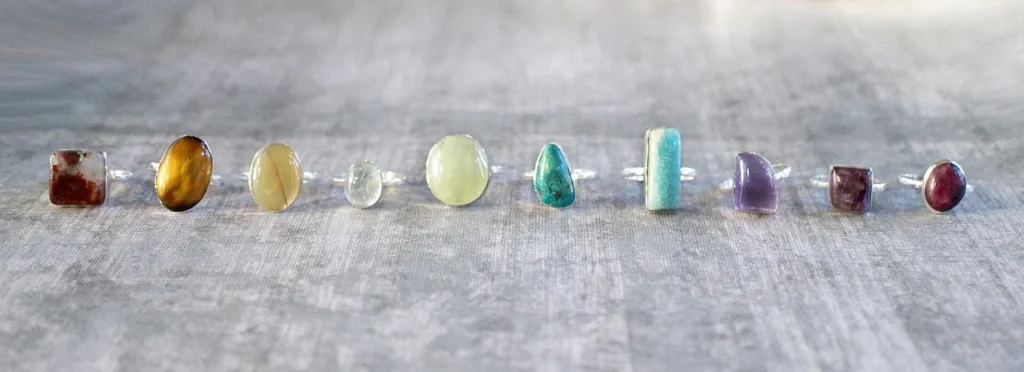
Birthstones are specific gemstones traditionally linked to each month of the year, each believed to carry unique properties and meanings such as strength, wisdom, or protection. The modern list, standardized in 1912 by Jewelers of America, provides a clear guide to these stones, their colours, and their associated significance for each birth month.
What is my birthstone? A complete chart by month
Each month typically has one primary birthstone, though some months have multiple options to offer variety in colour, hardness, and price. The chart below lists the most commonly accepted birthstones, along with their typical colours and their hardness on the Mohs scale, which indicates their durability for everyday wear.
Birthstone chart: Month, stone, colour, and hardness
| Month | Birthstone | Colour | Hardness (Mohs) |
|---|---|---|---|
| January | Garnet | Deep red (also orange, green) | 6.5–7.5 |
| February | Amethyst | Purple | 7 |
| March | Aquamarine; bloodstone | Pale blue-green; dark green with red flecks | 7.5–8; 6.5–7 |
| April | Diamond | Colourless (and every colour) | 10 |
| May | Emerald | Green | 7.5–8 |
| June | Pearl; moonstone; alexandrite | White and cream; blue sheen; green to red | 2.5–4.5; 6–6.5; 8.5 |
| July | Ruby | Red | 9 |
| August | Peridot; spinel | Olive green; red, pink, blue and more | 6.5–7; 8 |
| September | Sapphire | Blue (and most other colours) | 9 |
| October | Opal; tourmaline | Play of colour; every colour, often pink | 5.5–6.5; 7–7.5 |
| November | Topaz; citrine | Golden yellow to orange | 8; 7 |
| December | Tanzanite; zircon; turquoise | Violet-blue; blue; sky blue | 6–7; 6–7.5; 5–6 |
The Mohs scale measures hardness from 1 (talc) to 10 (diamond). It tells you how well a stone resists scratches, which matters for rings and bracelets that are worn every day.
Where do modern birthstone lists come from?
The tradition of linking gems to specific months is an ancient practice, often traced back to the twelve stones on the breastplate of Aaron, the high priest, as described in the Book of Exodus. Later interpretations connected these stones with the twelve months of the year and the signs of the zodiac. For centuries, however, the specific stones varied significantly across different cultures and regions.

Most jewelers today use a standardized list. It originated in 1912, when the American National Retail Jewelers Association (now known as Jewelers of America) established a uniform chart. This standardization aimed to simplify choices for consumers and jewelers. Some sources suggest it also served as a marketing initiative to boost jewelry sales. Since its inception, jewelers have revised the list several times to reflect new discoveries and consumer preferences. This ensures it remains relevant and offers diverse options.
How the birthstone list has been updated over time
The modern US birthstone list has been updated only a few times since its standardization in 1912. These changes typically involve adding new stones, often as co-birthstones, to provide more choices in terms of aesthetics and price points. The most notable updates include:
- 1952: Jewelers added alexandrite to June, citrine to November, tourmaline to October and zircon to December.
- 2002: The American Gem Trade Association (AGTA) added tanzanite as an official birthstone for December. This vibrant violet-blue stone quickly gained popularity.
- 2016: Jewelers of America and the American Gem Trade Association added spinel as an official co-birthstone for August, alongside peridot. Spinel offers a wide range of colours, from red and pink to blue and purple.
While the modern list is widely accepted, slight variations can still exist among different organizations or regional traditions. For instance, some lists may include bloodstone for March or blue topaz for December. If you are purchasing a gift and need to match a specific list, it is always best to confirm with the jeweler which standard they follow.
What are the meanings and colours of birthstones by month?
Each birthstone carries unique associations and properties, believed to bring specific qualities to the wearer. Understanding these meanings, alongside the stone’s typical colours and durability, can help you choose a gem that resonates personally.
January: Garnet
Garnet is most famous in deep red, but the garnet family also includes vivid green and orange stones. People have long associated it with protection and friendship, and it is tough enough for everyday jewellery. Historically, people believed garnets protected travelers and offered guidance in the dark.
February: Amethyst
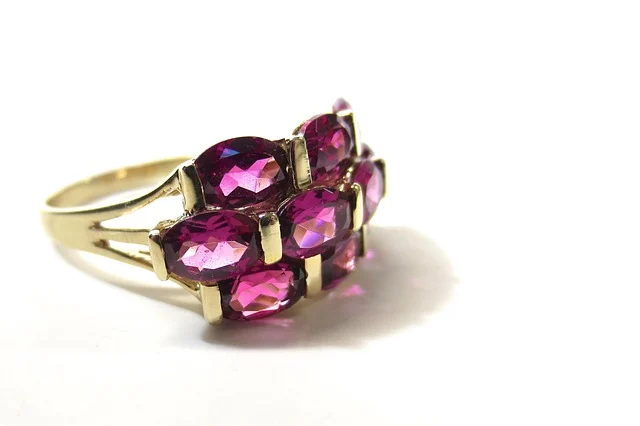
Amethyst is purple quartz. Its name comes from the Greek amethystos, “not drunk”, from an old belief that it protected against drunkenness. Today it stands for calm and clarity, and because quartz is plentiful it is one of the most affordable birthstones. Its rich purple hues range from pale lilac to deep violet.
March: Aquamarine, bloodstone
Aquamarine, a blue-green member of the beryl family (like emerald), takes its name from the Latin for “sea water.” People associate it with serenity and courage. Some lists, including the American Gem Trade Association’s, also give bloodstone. It is dark green with red spots. Bloodstone is traditionally linked to health and strength, offering a striking alternative to aquamarine’s cool tones.
April: Diamond
Diamond, the hardest natural material, stands for lasting love and strength. Its hardness (10 on the Mohs scale) makes it ideal for rings worn every day. Even diamond can chip if you knock it hard. While typically colourless, you can also find diamonds in a spectrum of colours, known as “fancy colour diamonds.” White topaz or quartz can be more affordable alternatives if a diamond is not suitable.
May: Emerald
Emerald is green beryl, prized since ancient Egypt. Most emeralds contain tiny natural inclusions, which jewellers call the stone’s “garden”. People associate it with rebirth and love. The gem is hard but can be brittle, so you should protect it from knocks. Its vibrant green colour symbolises renewal and growth.
June: Pearl, moonstone, alexandrite
June has three choices. Molluscs make pearls, and these are soft, so they need gentle care. Moonstone shows a floating blue sheen. Alexandrite, first found in Russia’s Ural Mountains in the nineteenth century and named after Tsar Alexander II, famously changes from green in daylight to red under incandescent light. This dramatic colour change makes alexandrite a unique and highly prized gem. People often associate pearls with purity and wisdom, while they link moonstone to intuition and new beginnings.
July: Ruby
Ruby is red corundum, the same mineral as sapphire. Its hardness of 9 makes it one of the most durable gems, and it has long symbolised passion and vitality. Its intense red colour is often associated with love and courage, making it a powerful and classic choice for July birthdays.
August: Peridot, spinel
Peridot is a bright olive-green gem that sometimes even arrives on Earth inside meteorites. Jewelers added spinel in 2016. For centuries people mistook spinel for ruby: the famous “Black Prince’s Ruby” in the British Imperial State Crown is actually a red spinel. Spinel offers a wide array of colours, including red, pink, blue, and purple, providing a versatile option for August. People often link peridot to strength and protection, while spinel symbolises revitalization.
September: Sapphire
Sapphire is corundum in every colour except red (red corundum is ruby). Blue is the classic, but pink, yellow and green sapphires are popular too. It symbolises wisdom and loyalty and is very durable. With a Mohs hardness of 9, sapphire is an excellent choice for everyday wear, often associated with nobility and truth.
October: Opal, tourmaline
Opal shows a shifting “play of colour” caused by tiny silica spheres that diffract light. It is fairly soft and can crack with sudden temperature changes. Tourmaline, the second October stone, comes in more colours than almost any other gem; pink tourmaline is a favourite. A novelist invented the misconception that opals bring bad luck in 1829; traditionally, opals symbolize hope and creativity. People often associate tourmaline with healing and artistic expression.
November: Topaz, citrine
Topaz and citrine share warm golden colours; this is why jewelers pair them. Citrine is yellow quartz and inexpensive. Topaz is harder and also occurs in blue, which some lists give to December. Both stones are linked to warmth, abundance, and positive energy. Golden topaz is often associated with strength and intellect. Citrine symbolises joy and prosperity.
December: Tanzanite, zircon, turquoise
December’s stones are all blue. In 2002, jewelers added tanzanite. Miners extract it commercially only in one small area of northern Tanzania, near Mount Kilimanjaro. Zircon is a brilliant natural gem; do not confuse it with synthetic cubic zirconia. Turquoise is one of the oldest gems jewelers use in jewellery. People know tanzanite for its striking violet-blue hue, and they believe it promotes wisdom and intuition. Zircon, with its brilliance, people link to prosperity. Turquoise, a protective stone, is associated with good fortune and tranquility.
Choosing the right birthstone jewellery
When selecting birthstone jewellery, consider the wearer’s lifestyle, the durability of the stone, and personal preferences regarding colour and style. Not all birthstones are equally suited for every type of jewellery, especially items worn daily.
- Everyday rings: choose a stone of 7 or more on the Mohs scale: diamond, ruby, sapphire, spinel, alexandrite, topaz, aquamarine, emerald (with a protective setting), garnet or amethyst. These stones are more resistant to scratches and everyday wear and tear.
- Softer stones such as pearl, opal and turquoise are beautiful in earrings and pendants, which get fewer knocks. Put pearls on last, after perfume and hairspray, as chemicals can damage their delicate surface. Also, be aware that a pearl does not grow around a grain of sand; oysters expel sand.
- Natural, lab-grown or imitation: lab-grown diamonds, rubies and sapphires have the same chemistry as natural stones and cost less; imitations only look similar. A reputable seller will tell you which you are buying. Lab-grown stones offer an ethical and often more affordable option without compromising on quality or appearance.
- Family pieces: a mother’s ring or necklace with the birthstones of each child is a popular gift; work out everyone’s month with the finder above. Families often cherish these pieces as heirlooms, and they can beautifully represent family bonds.
- Consider personal resonance: While a birthstone is traditionally tied to your birth month, many people choose stones based on their personal appeal, colour preference, or the meaning they find most resonant, regardless of their birth month.
- Settings for softer stones: If you love a softer birthstone like opal or turquoise for a ring, consider settings that offer more protection, such as a bezel setting that fully encloses the stone’s edges, or a ring design that places the stone lower to prevent accidental knocks.
Birthstones, birth flowers and star signs
Birthstones follow the calendar month, just like birth flowers. Star signs change around the 20th of each month. Someone born on April 25 has the April birthstone (diamond) but the star sign Taurus. Check a sign with the star sign calculator. You can plan the gift with the birthday countdown. Many people commonly misunderstand that star signs determine birthstones; they are strictly month-based in the modern tradition. In Eastern cultures, particularly Hindu tradition, people often associate gemstones with celestial bodies and astrology rather than specific birth months. This offers a different approach to gem selection.
Related reading
- Birth Flowers by Month: Meanings for All 12 Months
- Life Path Number: How to Calculate It and What It Means
- Milestone Birthdays: Which Ages Matter and How the World Celebrates
Frequently asked questions about birthstones
What is my birthstone?
Your birthstone is determined by your birth month: January is garnet; February is amethyst; March is aquamarine (or bloodstone); April is diamond; May is emerald; June is pearl, moonstone or alexandrite; July is ruby; August is peridot or spinel; September is sapphire; October is opal or tourmaline; November is topaz or citrine; December is tanzanite, zircon or turquoise.
Which months have more than one birthstone?
March, June, August, October, November, and December have two or three stones because jewelers added stones in 1952, 2002, and 2016 to give more choice in colour, hardness, and price for consumers.
When was the birthstone list last changed?
The modern US birthstone list was last updated in 2016, when Jewelers of America and the American Gem Trade Association officially added spinel as a co-birthstone for August, alongside peridot.
Which birthstone is the hardest?
Diamond, the birthstone for April, is the hardest at 10 on the Mohs scale, making it highly resistant to scratches. Ruby (July) and sapphire (September) follow it, both with a hardness of 9.
Are birthstones based on the month or the star sign?
Modern tradition bases birthstones on the calendar month of birth. While some ancient traditions did link gemstones to zodiac signs, today’s standardized list explicitly follows the month, not the fluctuating dates of astrological signs.
Do birthstones have universal meanings?
No, interpretations of birthstone meanings can vary by culture and tradition. While many commonly accepted associations exist (like diamond for strength), these are not universally consistent, and people often prioritize personal resonance with a stone’s meaning.
Sources
- National Jeweler: How the modern birthstone list came to be
- National Jeweler: The evolution of the birthstone list
- National Jeweler: JA and AGTA add spinel as August birthstone (2016)
- Geology.com: Birthstones

Yasir Hafeez is the founder and editor of ItsAgeCalculator. He builds the calculators, writes and checks the guides and articles, and tests every result against fixed date rules. He also runs OmniMatrics, a site of everyday calculators and converters.