

In this article
- Your baby’s age
- When each baby tooth comes in: A detailed chart
- An explained baby teething timeline
- Recognizing the signs of teething
- Safe and effective teething relief strategies
- Caring for the first teeth: A guide to early oral hygiene
- When to ask a doctor or dentist: Recognizing potential problems
- Adult teeth: The next stage of dental development
- Babies born with teeth: Natal and neonatal teeth
- Teething and sleep: Setting realistic expectations
- Frequently asked questions
- Sources
Most babies get their first tooth at around 6 months. This usually happens between 6 and 10 months, often a bottom front tooth. All 20 baby teeth are typically in by about 2½ to 3 years. Every baby is different; some are born with a tooth. Others have none at their first birthday. Both situations are normal. Your baby’s individual teething timeline depends on genetics, nutrition, and development. Enter their birth date to see their age in months. Then compare it with the chart.
Your baby’s age
When each baby tooth comes in: A detailed chart
| Tooth | Upper teeth come in | Lower teeth come in | Usually fall out |
|---|---|---|---|
| Central incisors (front) | 8–12 months | 6–10 months | 6–7 years |
| Lateral incisors | 9–13 months | 10–16 months | 7–8 years |
| First molars | 13–19 months | 14–18 months | 9–11 years |
| Canines (eye teeth) | 16–22 months | 17–23 months | 9–12 years |
| Second molars | 25–33 months | 23–31 months | 10–12 years |
Source: American Dental Association eruption chart. Note that the first molars usually arrive before the canines, leaving a gap that the canines fill later. This sequence is normal and allows for proper spacing and alignment as your baby’s jaw develops. Incisors are for biting, canines for tearing, and molars for grinding food.
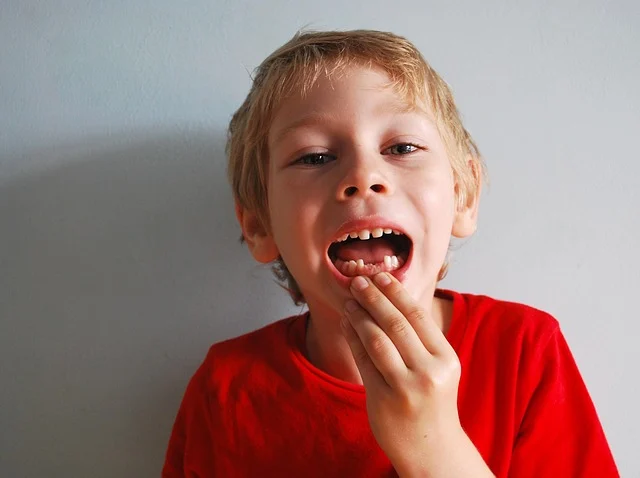
An explained baby teething timeline
While the chart provides ranges, a common pattern of tooth eruption unfolds over several months. You will often notice teeth appearing in pairs, for example, both lower central incisors emerging within a short period.
- 6–10 months: The arrival of the first incisors. The two lower front teeth (central incisors) typically make their appearance first. These sharp, chisel-shaped teeth help your baby start to bite into soft foods.
- 8–13 months: Upper front teeth emerge. Next, the four upper front teeth (central and lateral incisors) usually come in. Your baby will now have a fuller set of front teeth, improving their ability to handle a wider variety of textures.
- 10–16 months: Side incisors complete the front set. The two lower side incisors fill in the gaps, bringing the total to eight front teeth. By their first birthday, many babies have about eight teeth, though fewer is also common and perfectly normal.
- 13–19 months: First molars begin the grinding process. These wider, flatter teeth at the back of the mouth are crucial for grinding food. Their arrival marks a significant step in your baby’s ability to chew solid foods. You might notice larger gaps in their smile as these come in, which the canines will later fill.
- 16–23 months: Canines (eye teeth) fill the gaps. The canines, located between the incisors and molars, are pointed teeth that help tear food. They complete the front and side sections of the mouth, creating a more continuous dental arch.
- 23–33 months: Second molars complete the set. The final teeth to emerge are the second molars, located at the very back of the mouth. These large grinding teeth bring the full set of 20 primary (baby) teeth into place, typically by the time your child is around two and a half to three years old.
Teeth often emerge in pairs. Premature babies usually follow a baby teething timeline based on their corrected age. This aligns with their development, including tooth formation. This is the age they would be if born at full term. Use our corrected age for premature babies calculator for more.

Recognizing the signs of teething
Teething can be a challenging time for both babies and parents. Knowing what to look for helps you provide comfort. Signs typically appear a few days before a tooth actually breaks through the gum, and they can vary in intensity for each tooth.

- Increased drooling: Your baby produces more saliva as teething begins. This extra moisture can irritate their skin, leading to a rash on the chin, neck, or chest. Keep the area dry by gently wiping it often and apply a barrier cream if a rash develops.
- Chewing on everything: Babies instinctively chew to relieve pressure and discomfort in their gums. They will put fingers, toys, clothes, and anything else they can reach into their mouth. This chewing action helps the tooth push through the gum.
- Red or swollen gums: You may see a slightly red or swollen area on the gum where a tooth is about to erupt. Sometimes, you can even feel a hard bump under the gum surface with a clean finger.
- Irritability and disturbed sleep: The discomfort of a tooth pushing through can make your baby fussy, irritable, and lead to disrupted sleep, especially at night. This fussiness usually peaks just before a tooth emerges and subsides quickly once it has broken through.
- A slightly raised temperature: Some babies might experience a very mild increase in body temperature, often below 38°C (100.4°F). This is a low-grade temperature, not a fever.
When it’s not just teething
Teething does not cause a high fever. It also does not cause diarrhoea, vomiting, or a lasting runny nose. Doctors warn that blaming these symptoms on the baby teething timeline can delay treating real illness. Call your doctor if your baby has a fever of 38°C (100.4°F) or more. Do this for any other severe or lasting symptoms too. This is vital if your baby is under 3 months old. Fevers in young infants need prompt medical evaluation.
Safe and effective teething relief strategies
Providing comfort during teething often involves a combination of gentle methods. Focus on relieving gum pressure and discomfort without introducing risks.
- Offer something firm and cool to chew:
- Teething rings: Choose solid rubber or silicone teething rings. Chill them in the fridge (not the freezer, as extreme cold can damage gums). Always supervise your baby while they are using a teething ring.
- Cool wet washcloth: Dampen a clean washcloth, twist it, and chill it in the fridge. The texture and coldness can provide relief when your baby chews on it.
- Firm foods (for older babies): If your baby is already eating solids, offer firm, cold foods like a peeled cucumber stick or a large piece of carrot (always supervised to prevent choking).
- Gentle gum massage: Wash your hands thoroughly, then gently rub your baby’s gums with a clean finger. The light pressure can soothe the aching area.
- Pain relief medicine (if needed):
- Infant paracetamol (acetaminophen): Follow the dosage instructions carefully for your baby’s age and weight.
- Ibuprofen: For babies old enough (from 6 months in the US), ibuprofen can also provide relief. Always consult with a pharmacist or doctor to ensure correct dosing and suitability for your baby. Use these medicines only when necessary and for the shortest possible duration.
The US Food and Drug Administration advises against benzocaine or lidocaine teething gels for children under 2. These topical anesthetics can cause rare but serious side effects. Methemoglobinemia, a blood disorder, reduces oxygen in the blood. They also warn that amber teething necklaces and bracelets can cause choking or strangulation hazards. There is no proven scientific benefit for teething pain. Homeopathic teething tablets are also not recommended. Their safety and effectiveness are unproven. Some have inconsistent amounts of active ingredients. For information on a baby teething timeline, consult your pediatrician.

Caring for the first teeth: A guide to early oral hygiene
Good dental hygiene starts even before the first tooth appears. Regular cleaning helps establish healthy habits and protects emerging teeth from decay.
- Start brushing as soon as the first tooth appears: Use a soft baby toothbrush or a clean, damp cloth to gently clean your baby’s tooth twice a day, usually after breakfast and before bed. Focus on all surfaces of the tooth. You are not just cleaning, but also getting your baby used to the sensation of brushing.
- Fluoride toothpaste use:
- Until age 3, use a smear of fluoride toothpaste the size of a grain of rice. This tiny amount is enough to provide fluoride protection without posing a risk if swallowed.
- From 3 to 6 years, increase to a pea-sized amount of fluoride toothpaste. Always supervise your child to ensure they spit out the toothpaste after brushing.
Fluoride strengthens tooth enamel, making teeth more resistant to decay.
- Book the first dental visit by the first birthday: Schedule your baby’s first dental check-up within six months of their first tooth appearing, or no later than their first birthday. This early visit allows the dentist to check for proper development, identify any potential issues, and provide guidance on oral hygiene and diet. It also helps your child become comfortable with dental visits from a young age.
- Avoid putting a baby to bed with a bottle of milk or juice: Sugary liquids, including milk, can pool around your baby’s teeth during sleep, creating an ideal environment for bacteria to cause tooth decay (often called “baby bottle tooth decay”).
Offer water in a bottle if your baby needs it at bedtime, or ensure they finish their milk and you clean their teeth before sleep.
- Discourage thumb-sucking or pacifier use past early childhood: While thumb-sucking and pacifier use are normal for infants, prolonged use (past age 2-4) can affect tooth alignment and jaw development. Consult your dentist if you have concerns.
When to ask a doctor or dentist: Recognizing potential problems
While teething is a natural process, some situations warrant professional advice to ensure your baby’s oral health and overall well-being.
- No teeth by 18 months: If your baby has not developed any teeth by approximately 18 months, mention this to your dentist or doctor. Late teething is often just a normal variation, but it can occasionally point to another condition, such as nutritional deficiencies or certain genetic factors.
- Discoloured teeth or spots: If you notice that your baby’s teeth come in with unusual colours (e.g., brown, yellow, grey) or have white spots, consult a dentist. This could indicate issues with enamel development, early decay, or exposure to certain medications.
- Knocked-out or damaged baby tooth: If your baby’s tooth is knocked out, chipped, or otherwise damaged, contact your dentist immediately. They can assess the damage, check for injuries to the gums or surrounding teeth, and advise on the best course of action. Do not try to reinsert a knocked-out baby tooth yourself, as this can damage the permanent tooth underneath.
- Unusual tooth eruption patterns: While some variation is normal, if teeth are erupting in a very unusual order, are severely crowded, or appear significantly misaligned, a dental check-up can help determine if intervention is needed.
Adult teeth: The next stage of dental development
The journey of tooth eruption continues long after baby teeth are in place. Your child’s primary teeth serve as placeholders for their permanent adult teeth.
Permanent teeth emerge around age 6. The first adult molars often erupt then. They appear behind the last baby molars. This is part of the baby teething timeline. Lower front baby teeth usually loosen next. They make way for permanent replacements. This process continues through adolescence. By age 21, all 32 permanent teeth erupt. This includes wisdom teeth for some.
Babies born with teeth: Natal and neonatal teeth
About one in a few thousand babies is born with a tooth. This is called a natal tooth. Teeth appearing in the first month are neonatal teeth. These are usually lower front teeth. They erupt earlier than a typical baby teething timeline.
Natal teeth often surprise parents. Most are healthy and cause no problems. Some may be loose, though. A dentist can remove them. This prevents swallowing or feeding issues. Nipple irritation can occur. A dentist assesses stability and root development. Many teeth stay if firm. They should not cause discomfort. Mention natal teeth at the first check-up. Do this even if the baby teething timeline seems stable.

Teething and sleep: Setting realistic expectations
Teething can disturb sleep. This lasts a few nights as each tooth breaks through. You might notice more waking or difficulty settling. Discomfort is the cause. It does not usually cause weeks or months of poor sleep, according to the baby teething timeline.
If your baby wakes often or has significant sleep regression, other causes are more likely. These include illness, hunger, growth spurts, developmental leaps, or routine changes. Maintain a consistent bedtime routine. This provides comfort and predictability, regardless of teething discomfort. Ensure their sleep environment is restful. See our guide on how much sleep by age for normal sleep needs and the baby teething timeline.

Frequently asked questions
When do babies start teething?
The baby teething timeline generally starts at 6 to 10 months with the first tooth. However, teething signs can begin weeks earlier. This occurs as the tooth moves below the gum line.
Which teeth come in first?
Typically, the two bottom front teeth, known as the lower central incisors, are the first to emerge.
When do babies have all their teeth?
All 20 baby teeth are usually in by about 2½ to 3 years of age, completing the primary dentition.
Does teething cause fever?
Teething may cause a slightly raised temperature (low-grade fever), but not a fever of 38°C (100.4°F) or more. A high or persistent fever needs checking by a doctor to rule out illness.
Can teething cause a rash?
Yes, increased drooling during a baby teething timeline can irritate sensitive skin. This happens around the mouth, chin, and neck. It leads to a temporary rash. Keep the area dry. Apply a barrier cream if needed.
Sources

Yasir Hafeez is the founder and editor of ItsAgeCalculator. He builds the calculators, writes and checks the guides and articles, and tests every result against fixed date rules. He also runs OmniMatrics, a site of everyday calculators and converters.