
In this article
Adults need at least 7 hours nightly. Teenagers need 8 to 10 hours. School-age children need 9 to 12. Babies need much more, newborns up to 17 hours daily. How much sleep do I need by age? The US CDC recommendations come from expert panels. These include the American Academy of Sleep Medicine and the National Sleep Foundation. Below is the full chart and a calculator. It turns your age and wake-up time into a target bedtime.
Sleep calculator by age
Enter a date of birth and the time you need to wake up.
Recommended sleep by age
| Age group | Age | Recommended sleep per 24 hours |
|---|---|---|
| Newborn | 0–3 months | 14–17 hours |
| Infant | 4–12 months | 12–16 hours (including naps) |
| Toddler | 1–2 years | 11–14 hours (including naps) |
| Preschool | 3–5 years | 10–13 hours (including naps) |
| School age | 6–12 years | 9–12 hours |
| Teen | 13–17 years | 8–10 hours |
| Adult | 18–60 years | 7 or more hours |
| Adult | 61–64 years | 7–9 hours |
| Older adult | 65+ years | 7–8 hours |
For babies and young children the totals include naps. The ranges are what most healthy people need; a few people do well on a little more or less, but regularly sleeping under the range is linked to health problems.
Sleep experts reviewed much scientific literature. These panels developed sleep recommendations. They show how much sleep do I need by age for health, performance, and safety. This is for most individuals. Consistently sleeping outside these ranges impacts well-being. Especially less than the minimum can be harmful.

How much sleep do I need by age? Why it changes
The amount of sleep you need evolves throughout your life, driven by developmental changes, hormonal shifts, and lifestyle factors. Your body’s internal clock, or circadian rhythm, also matures and shifts with age, influencing your natural sleep-wake patterns.
Newborns and Infants (0–12 months)
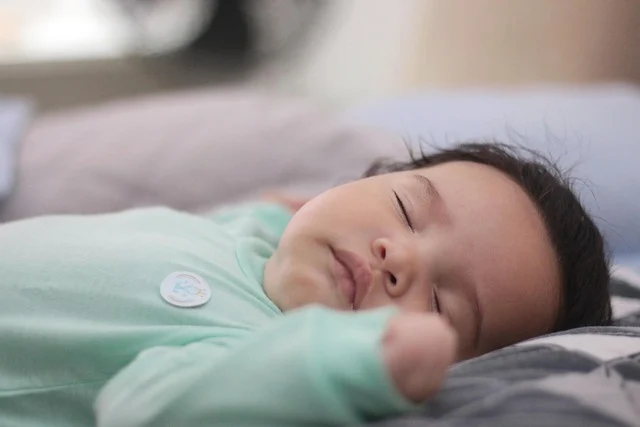
Newborns sleep in short bouts. Their body clock has not developed yet. A regular day-night rhythm emerges over months. Sleep is crucial for rapid brain development. Infants spend much time in REM sleep. This is vital for learning and memory. As they grow, their sleep consolidates. They have longer night stretches. They take fewer, predictable naps. This information helps understand “how much sleep do I need by age” for infants.
Toddlers and Preschoolers (1–5 years)
Sleep supports growth, learning, and memory in childhood. School-age children still need 9 to 12 hours. Toddlers transition from two naps to one daily nap. This usually occurs in the early afternoon. Naps remain important for preschoolers. They help manage energy, emotions, and cognitive development. Consistent sleep routines are beneficial. They establish healthy sleep habits. Knowing how much sleep do I need by age is important.
School Age (6–12 years)
School-age children need substantial sleep. It supports physical growth, immune system, and cognitive function. Adequate sleep directly impacts their ability to concentrate. They can solve problems, learn, and regulate emotions. This applies in school and social settings. Sleep deprivation in this age group can lead to behavioral issues. It also causes academic difficulties and increased accident risk. For more information, consider ‘how much sleep do I need by age’.
Teenagers (13–17 years)
Teenagers have a unique problem. Puberty shifts the body clock later. Teens feel sleepy later at night naturally. Yet, school starts early. This is “sleep phase delay.” A teenager’s natural bedtime might be 11 p.m. or later. Early school starts force early waking. This causes chronic sleep deprivation. The American Academy of Pediatrics recommends later school starts. They suggest middle and high schools start at 8:30 a.m. or later. This aligns schedules with adolescent biology. Lack of sleep affects mood. It impacts academic performance. It increases drowsy driving risks. Mental health issues also rise. This highlights the importance of understanding how much sleep do I need by age for teens.
Adults (18–64 years)
Adults need at least 7 hours. Their sleep patterns stabilize. Daily stressors, work, and family responsibilities interfere with consistent sleep. Sleep architecture consolidates. Adults may experience less deep sleep than children. Maintaining good sleep hygiene is crucial for managing stress. It supports physical health and sustains cognitive function. The ‘7 or more hours’ for younger adults allows for individual variation. Consistently falling below this minimum carries health risks. This aligns with guidelines for how much sleep do I need by age.
Older Adults (65+ years)
Older adults need about the same amount, 7 to 8 hours, but often find their sleep lighter and more broken, and they tend to wake earlier. The need for sleep does not disappear with age; getting it can simply become harder. Older adults may experience more awakenings during the night and spend less time in deep, restorative sleep. Medical conditions, medications, and changes in circadian rhythm (such as advancing the sleep phase, leading to earlier bedtimes and wake-up times) can contribute to these challenges. Despite these changes, the fundamental requirement for adequate sleep remains vital for cognitive health, physical well-being, and mood stability.
Signs you are not getting enough sleep
About a third of adults in the United States report usually sleeping less than the recommended amount. Recognizing the signs of sleep deprivation is the first step toward improving your sleep habits. Common signs include:

- Needing an alarm to wake up every day, and hitting snooze: If you cannot wake naturally around your desired time, or if you repeatedly hit the snooze button, it suggests your body needs more sleep. Also, hitting snooze fragments your sleep and can leave you feeling groggier.
- Feeling sleepy during the day, especially after meals or while driving: Daytime sleepiness is a primary indicator. If you struggle to stay awake during passive activities, your nightly sleep is likely insufficient. Drowsiness while driving is particularly dangerous.
- Relying on caffeine to get through the afternoon: Using stimulants like coffee or energy drinks daily to combat afternoon slumps is a common coping mechanism for sleep deprivation, not a sign of healthy energy.
- Trouble concentrating, irritability or low mood: Lack of sleep impairs cognitive functions, making it harder to focus, recall information, and make decisions. It also affects emotional regulation, leading to increased irritability, anxiety, or feelings of depression.
- Sleeping much longer on weekends to “catch up”: This is a clear sign of accumulating “sleep debt” during the week. While extra sleep on weekends can offer some relief, it does not fully compensate for chronic deprivation and can disrupt your body’s natural rhythm.
- Increased appetite or cravings for unhealthy foods: Sleep deprivation affects hormones that regulate appetite, leading to increased hunger and cravings for high-calorie foods.
- Weakened immune system: You may find yourself getting sick more often, as sleep plays a crucial role in immune function.
Risks of not enough sleep
Too little sleep raises risk of obesity. It also raises risk of type 2 diabetes, high blood pressure, heart disease, and depression. Drowsy driving causes many road crashes. Chronic sleep deprivation impairs judgment. It also impairs reaction time and problem-solving. If you feel exhausted despite enough sleep, snore loudly, or stop breathing at night, talk to a doctor. Conditions like sleep apnoea are common and treatable. Persistent fatigue could also indicate other medical issues. For more information on the topic of how much sleep do I need by age, consult a medical professional.
What about naps?
For babies, toddlers and preschoolers, naps are part of the recommended total. They are essential for their development and help prevent overtiredness. However, as children grow, their nap needs decrease, typically disappearing by age five or six.
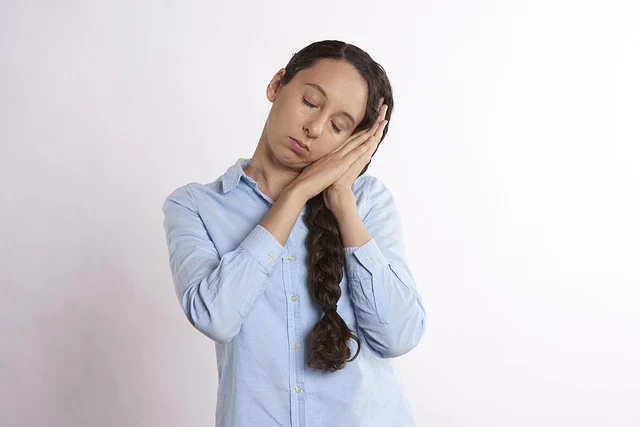
Adults can nap for 20 minutes. This early afternoon nap restores alertness. It avoids grogginess. This “power nap” improves cognition and mood. Longer naps, 30 minutes or more, cause “sleep inertia.” That is a groggy, disoriented feeling. Long or late naps hurt night sleep. They reduce your sleep drive. Needing naps often signals poor night sleep. You might ask, “how much sleep do I need by age?” Fix night sleep first. Use naps strategically. Naps are not a substitute for good nightly sleep.
How to work out your bedtime
Calculating your ideal bedtime is simple. First, start with your desired wake-up time. Next, count backward the hours of sleep needed. Then, add a buffer for time to fall asleep. This process helps align your sleep schedule. It answers how much sleep do I need by age for your body.

First, identify your age group in the table above. This helps determine your recommended sleep range. Then, choose a target within that range. It should feel right for you. Most people take 10 to 20 minutes to fall asleep. Build that into your calculation. This “sleep latency” is normal. It’s part of the sleep initiation process. This information is key for ‘how much sleep do I need by age’.
Worked Example for an Adult
Let’s say you are a 35-year-old adult. You need to wake for work at 6:30 a.m. You aim for 8 hours of sleep. This is within the recommended 7+ hours for your age. You usually take 15 minutes to fall asleep. This information helps answer the question of how much sleep do I need by age.
- Target wake-up time: 6:30 a.m.
- Desired sleep duration: 8 hours
- Time to fall asleep: 15 minutes
- Calculate “asleep by” time: 6:30 a.m. – 8 hours = 10:30 p.m.
- Calculate “in bed by” time: 10:30 p.m. – 15 minutes = 10:15 p.m.
Therefore, you should aim to be in bed by 10:15 p.m. to get your desired 8 hours of sleep and wake up by 6:30 a.m. The calculator above does this for your age group, simplifying the process.
Tips for better sleep
Improving your sleep habits, often called practicing good “sleep hygiene,” can significantly impact the quality and quantity of your sleep. Small, consistent changes can lead to substantial improvements.
- Keep a regular schedule. Go to bed and get up at the same time every day, including weekends. This consistency helps regulate your body’s natural circadian rhythm, making it easier to fall asleep and wake up naturally. Even a slight shift on weekends can create “social jet lag.”
- Make the bedroom dark, quiet and cool. Your sleep environment plays a critical role. For example, a comfortable temperature, typically between 60-67°F (15-19°C), promotes sleep. Blackout curtains can block light, and earplugs or a white noise machine can reduce disruptive sounds.
- Put screens away. Keep phones, tablets and TVs out of the bedroom, or switch them off well before bed. The blue light emitted by electronic screens can suppress melatonin production, a hormone that signals to your body that it’s time to sleep. Aim for at least 30-60 minutes of screen-free time before bed.
- Watch caffeine, alcohol and big meals in the hours before bed. Caffeine is a stimulant that can stay in your system for many hours. Alcohol may make you feel drowsy initially but disturbs sleep later in the night, leading to fragmented and less restorative sleep. Heavy meals close to bedtime can cause indigestion and discomfort, making it difficult to fall asleep.
- Get daylight and exercise during the day; both help to set your body clock. Exposure to natural light, especially in the morning, helps reinforce your circadian rhythm. Regular physical activity can improve sleep quality, but avoid intense exercise too close to bedtime as it can be stimulating.
- Create a relaxing bedtime routine. This signals to your body that it’s time to wind down. Activities like a warm bath, reading a book (not on a screen), listening to calming music, or gentle stretching can help prepare you for sleep.
- For children, a predictable bedtime routine, such as bath, story and lights out, makes falling asleep easier. Consistency and comfort are key for young children to feel secure and ready for sleep.
Who the sleep advice might not suit
While these recommendations suit most healthy individuals, specific groups may have different sleep needs or face unique challenges:
- Individuals with medical conditions: Chronic pain, respiratory issues (like asthma), neurological disorders, or mental health conditions (like anxiety or depression) can significantly impact sleep patterns. These individuals may require medical intervention or specialized sleep strategies.
- People with sleep disorders: Conditions such as insomnia, sleep apnoea, restless legs syndrome, or narcolepsy disrupt normal sleep cycles. If you suspect a sleep disorder, consult a doctor or a sleep specialist for diagnosis and treatment.
- Those with demanding jobs or unusual schedules: Shift workers, first responders, and individuals with highly irregular work hours often struggle to maintain a consistent sleep schedule. They may need tailored strategies to optimize sleep, such as strategic napping or light exposure management.
- Individuals on certain medications: Many prescription and over-the-counter drugs can affect sleep, either causing drowsiness or keeping you awake. Always discuss sleep side effects with your doctor or pharmacist.
If you consistently struggle to meet the recommended sleep duration or experience persistent daytime fatigue despite trying good sleep hygiene, seeking professional medical advice is important. A doctor can help identify underlying causes and recommend appropriate solutions.
Sleep and age: more tools
For a baby, age in weeks and months matters most. The baby age calculator shows both. Also, to check your age group, the age calculator gives your exact age. Our guide to what age counts as middle age explains life stages. This helps answer how much sleep do I need by age.

Frequently asked questions
How much sleep does an adult need?
At least 7 hours a night for adults aged 18 to 60, 7 to 9 hours for ages 61 to 64, and 7 to 8 hours for people 65 and older, according to the CDC chart. Most adults thrive on 7 to 9 hours.
How much sleep does a teenager need?
Teens aged 13 to 17 need 8 to 10 hours of sleep every 24 hours. This higher requirement supports their rapid physical and cognitive development, despite their natural tendency to fall asleep later.
How much sleep does a child need?
Children aged 6 to 12 need 9 to 12 hours; preschoolers aged 3 to 5 need 10 to 13 hours including naps; toddlers aged 1 to 2 need 11 to 14 hours including naps. These durations are vital for their growth, learning, and emotional regulation.
Do older people need less sleep?
Only slightly: 7 to 8 hours for those 65 and older. Older adults often sleep more lightly and wake earlier, but they still need about the same amount of sleep as younger adults for optimal health, even if achieving it becomes harder.
Is 6 hours of sleep enough?
For most adults, no. The recommendation for adults is 7 or more hours a night, and regularly sleeping less is linked to health risks like obesity, diabetes, and heart disease. A very small percentage of the population are “short sleepers” who thrive on less, but this is rare.
This article is general information, not medical advice. If you have ongoing sleep problems, speak to a doctor.
Sources
- CDC: How much sleep do I need?
- Watson NF et al. (2015): Recommended amount of sleep for a healthy adult, AASM and Sleep Research Society consensus statement (cited by CDC)
- Paruthi S et al. (2016): Recommended amount of sleep for pediatric populations, AASM consensus statement (cited by CDC)
<<>>

Yasir Hafeez is the founder and editor of ItsAgeCalculator. He builds the calculators, writes and checks the guides and articles, and tests every result against fixed date rules. He also runs OmniMatrics, a site of everyday calculators and converters.