In this article
Diwali 2026 falls on Sunday 8 November. This is the day of Lakshmi Puja. It is the main day of the five-day festival of lights. You might be wondering when is Diwali in 2026. In 2027 Diwali is on Friday 29 October. The countdown shows time remaining. The article covers the five days. It explains why the date changes. It lists Diwali dates to 2030.
Diwali countdown
Diwali dates, 2026 to 2030
| Year | Diwali (Lakshmi Puja) |
|---|---|
| 2026 | Sunday 8 November |
| 2027 | Friday 29 October |
| 2028 | Tuesday 17 October |
| 2029 | Monday 5 November |
| 2030 | Saturday 26 October |
Dates are for India. Because the Hindu calendar is lunar and festival days depend on the moon’s phase at a given place, the date can differ by a day in some regions and countries; check a local panchang (Hindu almanac) or temple for your city.
A panchang uses astronomical calculations specific to your location. It determines the precise timing of the new moon (Amavasya) and other celestial events. For example, if the new moon begins before sunrise in one city but after sunrise in another, the festival day can shift. This variation is common for lunar-based festivals. You should always confirm with local sources if you live outside of India or in a different time zone.
Why Diwali’s date changes
Diwali follows the Hindu lunisolar calendar. The main day falls on amavasya, the new-moon night, in the Hindu month of Kartika (called Ashvin in calendars where months end at the new moon). Because lunar months are about 29.5 days long, the date moves around in the Gregorian calendar. It always lands between mid-October and mid-November.
Unlike the purely lunar Islamic calendar, which drifts through seasons, the Hindu calendar adds an extra month every two or three years to stay in step with the seasons. This intercalary month, called Adhik Maas or Purushottam Maas, prevents festivals like Diwali from drifting into summer or spring. This adjustment ensures that Diwali consistently occurs during the autumn harvest season. It aligns with its ancient agricultural roots and cultural significance.
The new moon phase, Amavasya, holds deep spiritual significance. It is a powerful time for rituals and prayers, particularly for Lakshmi Puja. The darkness of the new moon night provides a stark contrast for the myriad of lamps and lights. These symbolize the triumph of inner light over ignorance and external darkness.
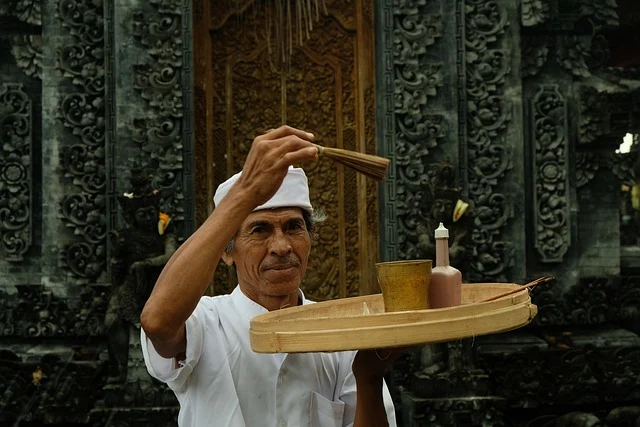
The five days of Diwali
- Dhanteras: The festival opens with cleaning the home and buying something new, often gold, silver or kitchen utensils, as a sign of good fortune. On this day, you also worship Dhanvantari, the god of Ayurveda, and Kubera, the treasurer of the gods. Many people light an extra diya outside their home facing south. They dedicate it to Yama, the god of death, to ensure family well-being.
- Naraka Chaturdashi (Choti Diwali): This “small Diwali” remembers Krishna’s victory over the demon Narakasura. People decorate homes with rangoli and light the first lamps. Traditionally, people take an auspicious oil bath (abhyanga snan) before sunrise. They believe it cleanses the body and soul. Lighting diyas on this day symbolizes dispelling darkness and evil.
- Lakshmi Puja (Diwali): The main day. Families pray to Lakshmi, goddess of wealth and prosperity, light rows of clay lamps (diyas), share sweets and set off fireworks. The evening puja involves invoking Lakshmi, Ganesha (for good beginnings), and Saraswati (for knowledge). You offer flowers, sweets, fruits, and light incense and diyas. The belief is that Lakshmi visits clean, well-lit homes, bringing blessings of abundance.
- Govardhan Puja: This commemorates Krishna lifting Govardhan hill to shelter villagers from a storm. In parts of western India, this day also begins the new year. Devotees often build small hillocks of cow dung, symbolizing Govardhan Hill. They decorate them with flowers. This day is also known as Annakut, where people prepare and offer large quantities of food to Krishna. They then share it among the community. In Gujarat, it marks the beginning of the Vikram Samvat New Year (Bestu Varas).
- Bhai Dooj: A celebration of brothers and sisters, who exchange blessings and gifts. Sisters apply a tilak (a ceremonial mark) on their brothers’ foreheads, praying for their long life and prosperity. Brothers, in turn, offer gifts and pledge to protect their sisters. This day reinforces the strong familial bonds, similar to Raksha Bandhan but with specific rituals for brothers and sisters.
What Diwali celebrates
Diwali, from the Sanskrit Deepavali, “row of lights”, celebrates the victory of light over darkness and good over evil. In northern India, it marks Lord Rama’s return to Ayodhya after he defeated Ravana. The city was lit with lamps to welcome him. This narrative emphasizes righteousness, sacrifice, and the triumph of dharma.
Other traditions link it to Krishna, Lakshmi and Kali. In some regions, especially Bengal, Diwali coincides with Kali Puja. Devotees worship the fierce goddess Kali there. For many, people primarily dedicate it to Lakshmi, the goddess of wealth, prosperity, and auspiciousness. People believe her worship on Amavasya brings fortune for the coming year. The lighting of lamps symbolizes not just physical light but also the awakening of inner wisdom and the dispelling of ignorance.
Diwali is also important in other religions: Sikhs celebrate Bandi Chhor Divas on the same day, marking the release of Guru Hargobind from prison. For Jains, Diwali marks the nirvana of Mahavira, signifying the spiritual liberation of their 24th Tirthankara, Lord Mahavira. It symbolizes the light of knowledge over the darkness of ignorance. Some Buddhists, particularly Newar Buddhists in Nepal, also celebrate Diwali by worshipping Lakshmi and observing rituals.
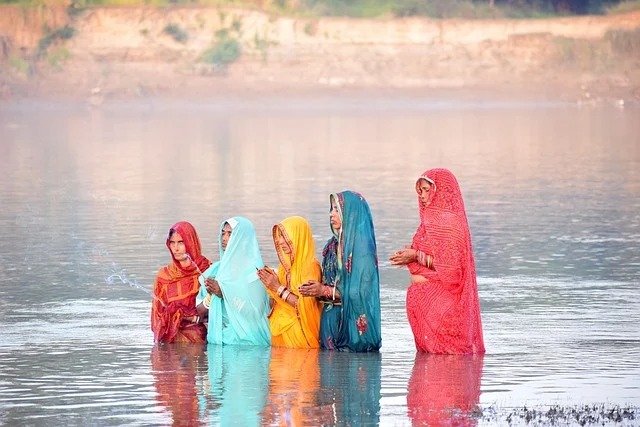
Diwali around the world
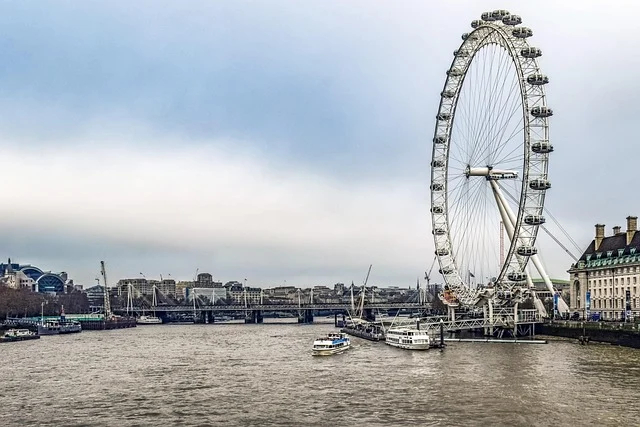
Diwali is a public holiday in India and Nepal, where the festival is known as Tihar. It is also a public holiday in countries with large Hindu communities, including Sri Lanka, Malaysia, Singapore, Mauritius, Fiji, Guyana, Suriname and Trinidad and Tobago. People also widely celebrate it in the UK. Leicester hosts one of the largest Diwali celebrations outside India. You can also find celebrations in the United States, Canada, Australia and the Gulf states.
In Nepal, Tihar is a five-day festival with unique traditions. These include worshipping crows, dogs, and cows, symbolizing gratitude and respect for animals. In Singapore and Malaysia, Little India districts come alive with festive lights, bazaars, and cultural performances. You find similar vibrant celebrations in the diaspora communities across North America, Europe, and Australia. Temples and cultural organizations host large-scale events, bringing a taste of India’s festive spirit to these lands.
Diwali traditions
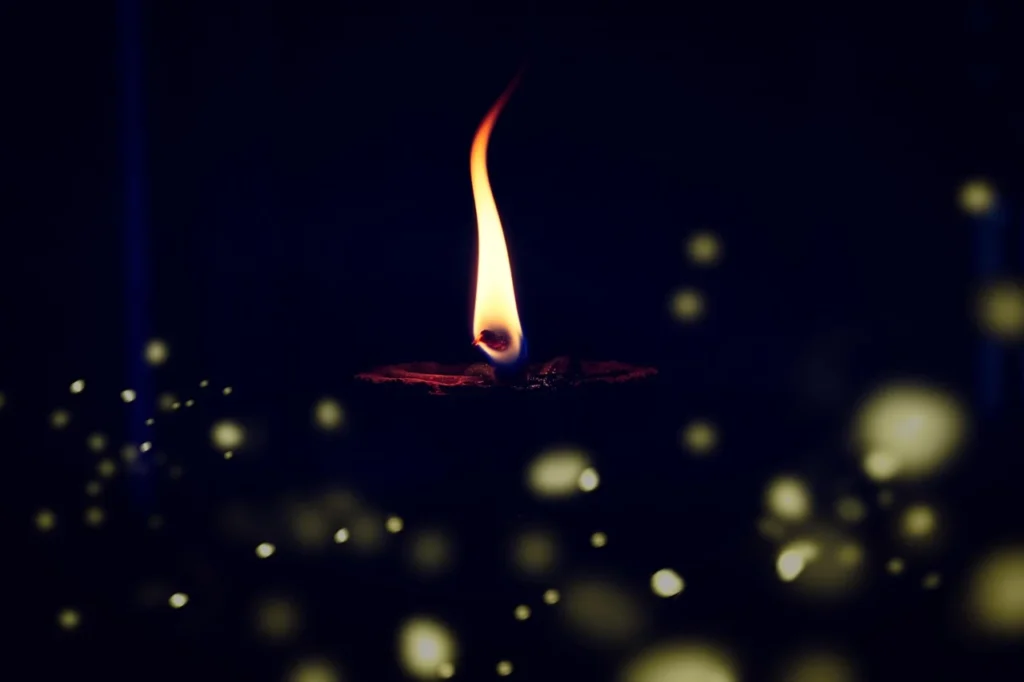
- Diyas and lights: Small clay oil lamps line windows, doorsteps and balconies, joined today by electric string lights and lanterns. You typically use mustard oil or ghee in diyas, with a cotton wick. The flame represents purity, goodness, good luck, and power, illuminating homes and inviting blessings. Traditional diyas offer a warm, flickering glow, while modern LED lights provide convenience and variety.
- Rangoli: Colourful patterns made from coloured powder, rice or flower petals at the entrance to welcome guests and Lakshmi. You create these intricate designs on the floor, often depicting deities, flowers, or geometric shapes. The vibrant colours are believed to attract positive energy and add to the festive cheer. You can buy ready-made stencils or create freehand designs using various materials.
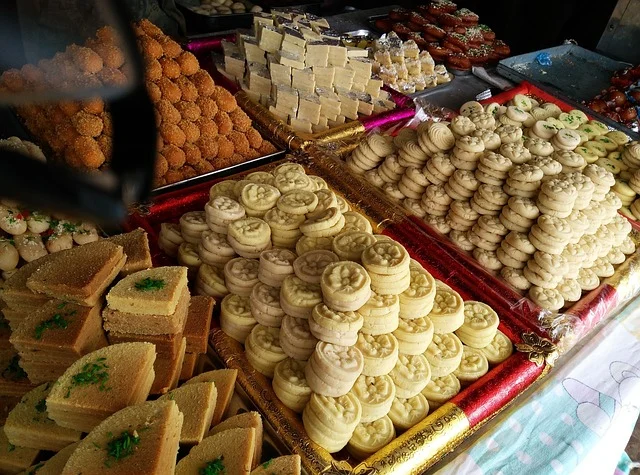
- Sweets and gifts: Families visit relatives and friends with boxes of mithai such as laddoos, barfi and kaju katli, and exchange gifts. Sharing sweets, or “mithai,” symbolizes the sweetness of relationships and the joy of the festival. Popular gifts include traditional clothes, home decor items, or silver coins. Remember to present gifts with sincerity and respect.
- New clothes and new beginnings: Many people wear new clothes, and many businesses open new account books for the year. Wearing new attire symbolizes freshness, prosperity, and a clean slate for the year ahead. In many business communities, particularly in Gujarat and Rajasthan, merchants perform ‘Chopda Pujan’ (worship of account books) on Lakshmi Puja day, marking the start of a new financial year.
- Muhurat trading: India’s stock exchanges hold a special short trading session on Diwali evening, considered an auspicious time to invest. This one-hour session, typically in the evening, is symbolic. Traders believe that making investments during this auspicious time brings prosperity and financial growth throughout the year. It’s a blend of tradition and modern finance.
- Family gatherings and feasts: Diwali is a time for families to come together, often traveling long distances to celebrate with loved ones. You enjoy elaborate feasts featuring traditional dishes, and share stories and laughter. These gatherings strengthen family bonds and create lasting memories, reinforcing the sense of community.
A greener Diwali
Diwali comes at the start of winter in northern India, when air pollution is often already high, and fireworks add to it. The smoke and particulate matter from firecrackers significantly worsen air quality, leading to respiratory issues and environmental damage. This has led to growing awareness and calls for more eco-friendly celebrations.
Several Indian states and cities, including Delhi, have restricted or banned firecrackers in some years. Many families now choose a “green Diwali”: fewer or low-emission “green crackers”, more lamps and lights, eco-friendly rangoli colours and sweets in reusable boxes. You can opt for biodegradable diyas, natural colours for rangoli (such as flower petals or rice powder), and support local artisans who craft sustainable decorations. Check the local rules before buying fireworks. Keep pets indoors on the night, as the loud noises and bright flashes can cause them severe distress and anxiety. Consider celebrating with community light displays rather than individual fireworks.
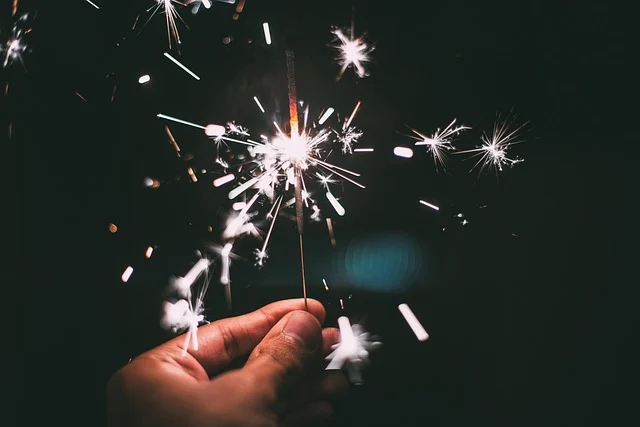
Diwali greetings
“Happy Diwali” is understood everywhere. In Hindi and many other Indian languages people say Shubh Deepavali (“auspicious Diwali”) or Diwali ki shubhkamnayein (“best wishes for Diwali”). In Tamil Nadu and the south, the festival is called Deepavali. People celebrate it mainly on Naraka Chaturdashi. Greetings often begin the day before the north Indian Lakshmi Puja.
Other regional greetings include:
- In Marathi: Diwalichya Hardik Shubhechha (Heartfelt Diwali wishes)
- In Bengali: Shubho Deepavali (Auspicious Deepavali)
- In Punjabi: Tuhannu Diwali diyan boht boht vadhaiyan hove (Many many congratulations on Diwali)
- In Gujarati: Saal Mubarak (Happy New Year, as Diwali often coincides with the Gujarati New Year)
When greeting, you can also offer specific blessings like “May your life be filled with joy and prosperity” or “May the light of Diwali illuminate your path.”
Preparing for Diwali
- Clean and declutter the home in the weeks before. Lakshmi is said to visit clean, well-lit homes. This deep cleaning, known as “Diwali ki Safai,” is more than just tidying. It’s a symbolic act of purifying the home and mind, creating space for new energy and blessings. You often repaint walls, repair broken items, and discard old belongings.
- Plan sweets and gifts: Mithai, dry fruits and gift boxes for family, friends and colleagues. You can prepare homemade sweets, which is a cherished tradition, or purchase them from local sweet shops. Consider dietary restrictions when planning, and package gifts attractively.
- Decorate: Rangoli patterns, diyas, lanterns and string lights. Keep lamps and candles away from curtains, and supervise children with fireworks. Ensure all electrical decorations are safe and properly installed. Position diyas and candles on stable, non-flammable surfaces.
- Book travel early if you are going home for the festival; trains and flights fill up weeks ahead. Travel during Diwali is extremely busy, so secure your tickets well in advance to avoid disappointment and higher prices.
- Shop for new clothes: Many families buy new outfits for each member to wear on the main days of Diwali. This is a joyful tradition that adds to the festive spirit and symbolizes new beginnings.
- Prepare for Lakshmi Puja: Gather all necessary puja items, including an idol or image of Lakshmi and Ganesha, flowers (especially marigolds and lotus), fruits, sweets, incense, camphor, a kalash (pot), and sacred threads. Ensure you have fresh oil and wicks for your diyas.
More festival countdowns
For other festivals in the coming year, including Holi, Christmas, Ramadan and Chinese New Year, see the festival countdown. And if a birthday falls during Diwali, find its birthstone and birth flower: marigolds, October’s flower, are everywhere at Diwali.
Frequently asked questions
When is Diwali in 2026?
Diwali 2026 is on Sunday 8 November 2026, the day of Lakshmi Puja, which is the main day of the five-day festival.
When is Diwali in 2027?
On Friday 29 October 2027. The dates for Diwali vary each year as it follows the Hindu lunisolar calendar.
Why does the date of Diwali change every year?
Diwali follows the Hindu lunisolar calendar and falls on the new-moon night (Amavasya) of the month of Kartika. Since lunar months are shorter than Gregorian months, its Gregorian date moves between mid-October and mid-November. An extra month is added periodically to keep it aligned with the seasons.
How many days is Diwali?
Diwali is a five-day festival: Dhanteras, Naraka Chaturdashi (Choti Diwali), Lakshmi Puja (the main day), Govardhan Puja, and Bhai Dooj. Each day has its own unique rituals and significance.
Who celebrates Diwali?
Hindus, Sikhs (as Bandi Chhor Divas), Jains, and many Buddhists celebrate Diwali. People of various backgrounds in India and around the world also widely celebrate it. This is particularly true in countries with large South Asian diaspora communities.
Sources
- DekhoPanchang: Diwali 2028 and 2029 dates and puja timings
- BankBazaar: Diwali holiday dates by year
- AcadCalendar: Diwali dates 2026–2030
- Encyclopaedia Britannica: Diwali

Yasir Hafeez is the founder and editor of ItsAgeCalculator. He builds the calculators, writes and checks the guides and articles, and tests every result against fixed date rules. He also runs OmniMatrics, a site of everyday calculators and converters.