In this article
Adults under 60 see health benefits from 8,000–10,000 steps daily. Those 60 and over benefit from 6,000–8,000 steps. These figures on steps per day by age come from a 2022 study. It pooled data from 47,471 adults globally. The 10,000-step target is good, but not magic. Every 1,000 extra steps helps if you start low. Gradually increasing activity works better than arbitrary high targets.
Check your age
Understanding your current age helps you set a more personalized and achievable step goal based on the latest research. Use the calculator below to find your exact age.
Steps per day by age group
The ideal number of steps varies by age, reflecting different physiological needs and health outcomes. Here is a summary of current recommendations and research findings:
| Age group | Where benefits level off | Notes |
|---|---|---|
| Adults under 60 | about 8,000–10,000 steps | Risk of early death kept falling up to this range (Paluch et al., 2022). This range offers significant protection against all-cause mortality. |
| Adults 60 and over | about 6,000–8,000 steps | Benefits levelled off at a lower count. Exceeding this range did not show substantial additional mortality benefits in the study. |
| Older women (average age 72) | about 7,500 steps | Women walking 4,400 a day had lower mortality than those walking 2,700 (Lee et al., 2019), highlighting the importance of even modest increases from a very low baseline. |
| Children and teenagers | no single step target | WHO recommends an average of 60 minutes of moderate-to-vigorous activity a day. This activity should be varied and enjoyable, including aerobic, muscle-strengthening, and bone-strengthening activities. |
For children and teenagers, the focus is on a broader range of physical activities. A specific step count, like that for “steps per day by age,” is not the primary goal. Their daily activity should include play, sports, and active transport. The WHO guidelines suggest 60 minutes of moderate-to-vigorous activity. This can be accumulated throughout the day in shorter bursts, like 10-minute intervals.
The 2022 study in detail
The study, led by Amanda Paluch and published in The Lancet Public Health, pooled data from 15 groups of adults (47,471 people) who wore step counters and were then followed for several years. During follow-up, 3,013 of them died. The researchers split people into four groups by daily steps:

| Group | Typical daily steps | Risk of death compared with the lowest group |
|---|---|---|
| Lowest quarter | about 3,550 | — |
| Second quarter | about 5,800 | 40% lower |
| Third quarter | about 7,850 | 45% lower |
| Highest quarter | about 10,900 | 53% lower |
Two findings stand out. Moving from about 3,500 to 6,000 steps daily made the biggest difference. Even modest activity increases significantly improve health outcomes. This is especially true for sedentary individuals. The curve flattened earlier for older adults. More steps benefit all ages. However, diminishing returns arrive sooner for those 60 and over when considering steps per day by age.
The study examined “all-cause mortality,” meaning deaths from any cause. This measure indicates overall health and longevity. Walking speed mattered less than total steps. Consistency in daily movement is crucial. This applies to general mortality benefits, considering steps per day by age.
These are observational results. People who walk more may differ in other ways, such as diet, smoking, or healthcare access. Researchers adjusted for many factors, including body mass index, alcohol, and chronic diseases. The study cannot definitively prove steps alone caused the difference. However, the consistent association across diverse populations strengthens evidence for a causal link. This also applies to the topic of “steps per day by age”.
Where 10,000 steps came from
The 10,000 target is usually traced to Japan in the 1960s, when a pedometer was sold under the name manpo-kei — literally “10,000-step meter”. This marketing slogan, rather than scientific evidence, popularized the number. The round number was catchy, and it became the default goal on fitness trackers.
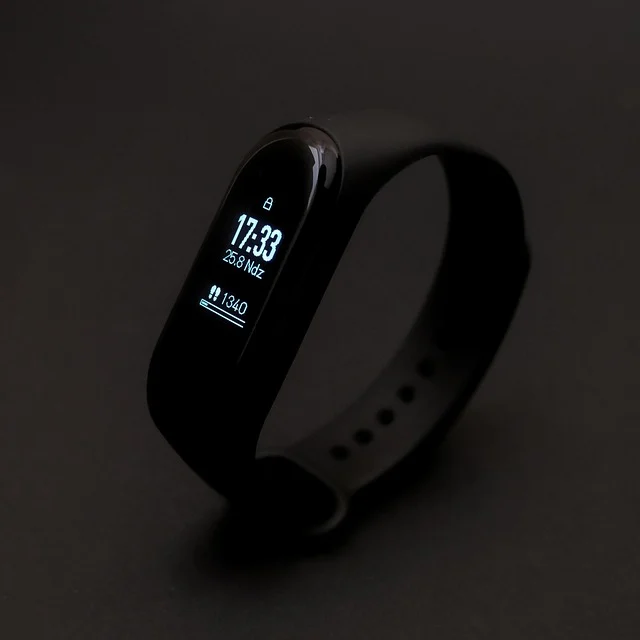
It roughly matches the upper research range for younger adults. So, it is not wrong as an ambitious goal. However, it may discourage people walking 4,000 steps. They might not try for a more achievable 6,000. For many, a more realistic initial goal helps. Adding 1,000–2,000 steps to their daily routine can increase sustained progress and motivation. This is especially true when considering steps per day by age recommendations.
How many steps is that?
Translating step counts into more familiar metrics helps you visualize your activity and set practical goals:
- Distance: An adult’s stride is roughly 0.7–0.8 metres, so 1,000 steps is about 0.7–0.8 km (about half a mile). 8,000 steps is around 6 km or 3.5–4 miles. This can vary based on your height, walking speed, and terrain.
- Time: At a brisk walk of about 100 steps per minute, 1,000 steps takes 10 minutes. A 30-minute walk adds about 3,000 steps. This provides a clear way to schedule walks into your day.
- Everyday life: People with desk jobs often take 3,000–5,000 steps on a working day without any planned walking. This baseline is important for understanding how much additional activity you need.
Worked example: Reaching 8,000 steps
Imagine you currently take 4,000 steps on a typical workday, mostly from moving around your home or office. Your goal is 8,000 steps. You need to add about 4,000 steps.
- Morning: Take a 15-minute walk before work (about 1,500 steps).
- Lunch: Walk for 20 minutes during your lunch break (about 2,000 steps).
- Evening: Take a 5-minute walk after dinner (about 500 steps).
This structured approach helps you integrate the necessary steps without feeling overwhelmed. You can adjust the timing and duration to fit your schedule.
Practical ways to add steps
Increasing your daily steps does not require drastic lifestyle changes. Small, consistent efforts accumulate over time:
- Add 1,000–2,000 steps at a time; increase again once that feels normal. This gradual approach helps build sustainable habits and prevents burnout.
- Walk during phone calls, get off the bus a stop early, or take a 10-minute walk after meals. These “activity snacks” integrate movement into otherwise sedentary parts of your day.
- Use the stairs instead of the elevator or escalator, and park further away from your destination. These choices add incidental steps without requiring dedicated exercise time.
- Track a weekly average rather than worrying about single days. Life happens, and some days will naturally be less active. Focusing on your overall trend helps maintain motivation.
- If you have joint, heart or lung problems, ask your doctor what level is right for you. Walking is safe for most people, but build up gradually and listen to your body.
Steps are only one part of health. The WHO recommends muscle-strengthening activities at least twice a week for adults. Balance training for older adults helps prevent falls. These activities complement walking, improving overall fitness. They also reduce injury risk. Sleep matters too. See how much sleep you need by age. For specific walking goals, consider steps per day by age recommendations.

Common problems and fixes
- Problem: Lack of time. Fix: Break up your steps into shorter bursts throughout the day. A few 10-minute walks are as effective as one long one.
- Problem: Weather. Fix: Explore indoor options like walking laps in a mall, using a treadmill, or walking in place during TV commercials.
- Problem: Joint pain. Fix: Consult your doctor. They may recommend lower-impact activities, specific exercises, or physical therapy. Start with shorter durations and slower paces on softer surfaces.
- Problem: Demotivation. Fix: Find a walking buddy, join a walking group, or use a fitness tracker with friendly challenges. Focus on how good you feel after walking, not just the numbers.
Steps and age in years
Knowing your exact age helps, especially around 60. This research groups people by age. It helps align your goals with scientific findings for “steps per day by age”. Use the calculator above. Or see how many weeks you’ve lived with the life in weeks chart. It’s a reminder of how much time daily walking habits add up over.
The transition from “under 60” to “60 and over” is a general guideline. Your individual health, fitness level, and mobility are also critical factors. If you are 59 and very active, you might comfortably aim for the higher range. If you are 61 and new to regular exercise, starting with 6,000 steps and gradually increasing is a sensible approach.
Do other activities count?
Step counters record walking and running, and also many household and work activities — cleaning, gardening, shopping — so active jobs can add thousands of steps without any “exercise”. This means that a physically demanding job can contribute significantly to your daily step count, even if you don’t specifically “exercise.”
Activities like cycling, swimming, or rowing don’t count as steps. Typical pedometers miss them, but they offer great health value. These non-impact activities provide excellent cardiovascular benefits. They also strengthen different muscle groups. Some apps convert them to “step equivalents.” However, these conversions are rough estimates. They are not precise measurements for determining steps per day by age.

If you do a lot of non-walking exercise, total weekly activity time (150 minutes of moderate activity, as the WHO recommends) is a better measure than steps alone. This broader guideline ensures you meet overall physical activity recommendations, regardless of how your steps are accumulated.
Who the advice does not suit
While walking is generally safe and beneficial, the specific step targets might not be appropriate for everyone. This advice may need adjustment for:
- Individuals with specific medical conditions: People with severe heart conditions, advanced arthritis, or certain neurological disorders may require tailored exercise plans from their healthcare providers.
- Those recovering from injury or surgery: A slow, guided rehabilitation program is crucial, and general step targets could be too aggressive.
- Elite athletes: Their training regimens are often far more intense and specialized, focusing on performance rather than general health step counts.
- People with limited mobility: For individuals who use wheelchairs or have significant mobility challenges, the focus should be on other forms of physical activity that are accessible and safe, as recommended by a physical therapist.
Frequently asked questions
How many steps a day should a 60-year-old walk?
Research suggests benefits level off at about 6,000–8,000 steps a day for people 60 and over. This range provides significant health benefits without requiring excessive effort.
Is 10,000 steps a day necessary?
No. For adults under 60, benefits continue up to about 8,000–10,000 steps; for most people, any increase from a low starting point helps. The 10,000-step target is largely a marketing concept, not a strict scientific necessity.
How many steps a day should a 40-year-old take?
About 8,000–10,000 steps is the range where research found the benefits level off for adults under 60. Aiming for this range can maximize health advantages.
How many steps is 30 minutes of walking?
About 3,000 steps at a brisk pace, depending on your individual stride length and walking speed. This makes a 30-minute walk an excellent way to add a substantial number of steps to your day.
Does walking speed matter for health benefits?
While faster walking can offer additional cardiovascular benefits, the 2022 study found that total step count was more important than walking speed for reducing the risk of early death, once the total steps were accounted for. Consistency in daily steps is key.
Sources
- Paluch et al. (2022): Daily steps and all-cause mortality — a meta-analysis of 15 international cohorts, Lancet Public Health
- WHO: Physical activity fact sheet

Yasir Hafeez is the founder and editor of ItsAgeCalculator. He builds the calculators, writes and checks the guides and articles, and tests every result against fixed date rules. He also runs OmniMatrics, a site of everyday calculators and converters.