
In this article
- Your exact chronological age
- The main kinds of “age” tests
- Epigenetic clocks
- Heart age
- Metabolic age
- Can you lower your biological age? A biological age calculator
- Why chronological age still matters
- What the research shows
- How to read a result
- Questions to ask before buying a test
- Free alternatives
- Age as a number, age as an experience
- Frequently asked questions
- Sources
Chronological age is simply the time since you were born — it is exact, and every calculator on this site measures it. Biological age is an estimate of how old your body seems, based on measurements such as blood markers, DNA methylation, fitness or blood pressure. It can be higher or lower than your real age, but different tests give different answers, and none is a medical diagnosis. Here is what each kind of “body age” test measures and how much weight to put on it.
Your exact chronological age
Every biological-age estimate is compared with this number:
The main kinds of “age” tests
| Test | What it uses | What it tells you |
|---|---|---|
| Epigenetic (DNA methylation) clocks | Chemical tags on DNA from blood or saliva | An estimate of ageing pace; research tool, consumer tests vary |
| Blood-marker age (e.g. PhenoAge) | Routine blood tests such as glucose, albumin, creatinine, inflammation | A combined score linked to health risks |
| Heart age | Blood pressure, cholesterol, smoking, diabetes, BMI | Cardiovascular risk expressed as an age |
| Metabolic age | Bioimpedance bathroom scales | Your resting energy use compared with averages — mostly marketing |
| Fitness age | VO₂ max estimates, resting heart rate, activity | Cardiorespiratory fitness compared with population norms |
| Online quizzes | Lifestyle questions | Entertainment, at best a prompt to think about habits |
Epigenetic clocks
In 2013, geneticist Steve Horvath showed a methylation pattern on DNA. It predicts age across many tissues remarkably well. Later “clocks” like PhenoAge, GrimAge, and DunedinPACE emerged. They predict health outcomes or aging pace, not birthdays. Large studies show people with “fast” clocks have higher disease and death risks. For an individual, biological age calculator results vary between labs. They also vary between repeated samples. A single consumer test result is a rough indicator, not a verdict.

Heart age
Heart-age calculators use the Framingham Heart Study. Public health agencies also use this study. Your 10-year cardiovascular risk becomes an age. For example, a 45-year-old smoker has high blood pressure. Their biological age calculator shows a risk like a typical 55-year-old. So, their heart age is 55. This is a communication tool. You can change blood pressure, cholesterol, smoking, weight, and activity. These are useful risk factors.
Metabolic age
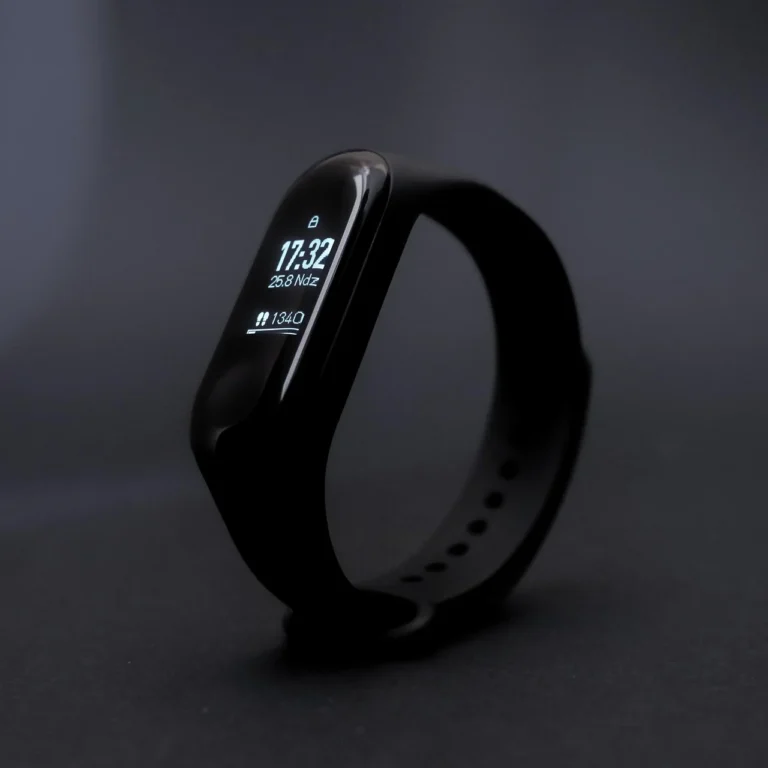
Many smart scales show a “metabolic age”. They use a biological age calculator. It estimates basal metabolic rate from weight, height, age, and an electrical body-fat reading. Then it compares this with averages for each age. Body-fat readings from bathroom scales change with hydration and time of day. So the number moves around. Treat it as a fun trend line at most.
Can you lower your biological age? A biological age calculator
To improve scores in a biological age calculator, focus on health. First, do not smoke. Next, get regular physical activity. Also, ensure good sleep. Eat a balanced diet. Maintain a healthy weight. Limit alcohol. Manage blood pressure and blood sugar. However, expensive supplements and repeated testing have little evidence. If a test worries you, talk to a doctor. They can check important risk factors.

Why chronological age still matters
Laws, school entry, pensions, screening programmes and insurance all use chronological age. This is because it is exact and the same for everyone. Your chronological age also anchors every biological measure: “biologically 40” only means something compared with the real number. For the exact figure in years, months and days, use the age calculator; for life stages, see what age is middle age.

What the research shows
Large studies link faster “biological ageing” to earlier death. They also show more age-related diseases. Smoking, obesity, and heavy drinking raise biological age scores. Chronic stress and low activity also increase scores. Regular exercise, healthy diets, and better sleep lower scores. Some trials show modest score reductions. These are from diet and lifestyle programs. It is not proven these changes extend lives. Using a biological age calculator shows these trends. This tool helps track potential health impacts.

How to read a result
- Look at the gap, not the number. A biological age of 47 for a 45-year-old is a gap of +2 years. However, this is within the normal variation of many tests.
- Repeat with the same test. Different companies use different clocks, so results from two providers are not comparable.
- Check the risk factors behind it. Blood pressure, cholesterol, blood sugar, waist size and fitness are the actionable numbers; your doctor can measure them cheaply.
- Don’t panic, don’t celebrate too much. A single score is a snapshot with error bars.
Questions to ask before buying a test
- Which clock or algorithm does it use? Also, has a peer-reviewed journal published it?
- How large is the test-retest error — would a repeat sample give a similar result?
- What happens to my DNA sample and data?
- Does it give advice beyond what a standard health check would?
Free alternatives
Several free tools give a meaningful health picture without a lab test. Public health services offer heart-age or cardiovascular risk calculators based on blood pressure and cholesterol. Many countries invite adults from about 40 for a general health check (the NHS Health Check in England runs from 40 to 74). A simple fitness measure, like a biological age calculator, is also strongly linked to long-term health. For example, consider how quickly your heart rate recovers after a brisk walk up stairs, or your walking pace.

Age as a number, age as an experience
People often feel younger than their chronological age — surveys find that most adults over 40 say they feel several years younger than they are — and that “subjective age” is itself linked to health and wellbeing. Whatever your biological score, your chronological age is fixed and exact. The how many days old am I calculator puts it in days. Your life in weeks shows it on a single page.

Frequently asked questions
What is the difference between biological and chronological age?
Chronological age is time since birth. Biological age is an estimate of how old your body seems from health measurements.
Are biological age tests accurate?
They are useful in research on groups of people, but individual results vary between tests and labs.
What does metabolic age on my scale mean?
A comparison of your estimated resting metabolism with averages by age — not a medical measurement.
How can I improve my biological age?
The same habits that improve health: activity, sleep, diet, not smoking and managing blood pressure.
Sources
- Horvath S. DNA methylation age of human tissues and cell types. Genome Biology, 2013
- CDC: Heart disease facts and risk factors
- Framingham Heart Study: Cardiovascular disease 10-year risk (heart age)

Yasir Hafeez is the founder and editor of ItsAgeCalculator. He builds the calculators, writes and checks the guides and articles, and tests every result against fixed date rules. He also runs OmniMatrics, a site of everyday calculators and converters.